Intellectual property: A content creator’s biggest asset in the digital age
3 min read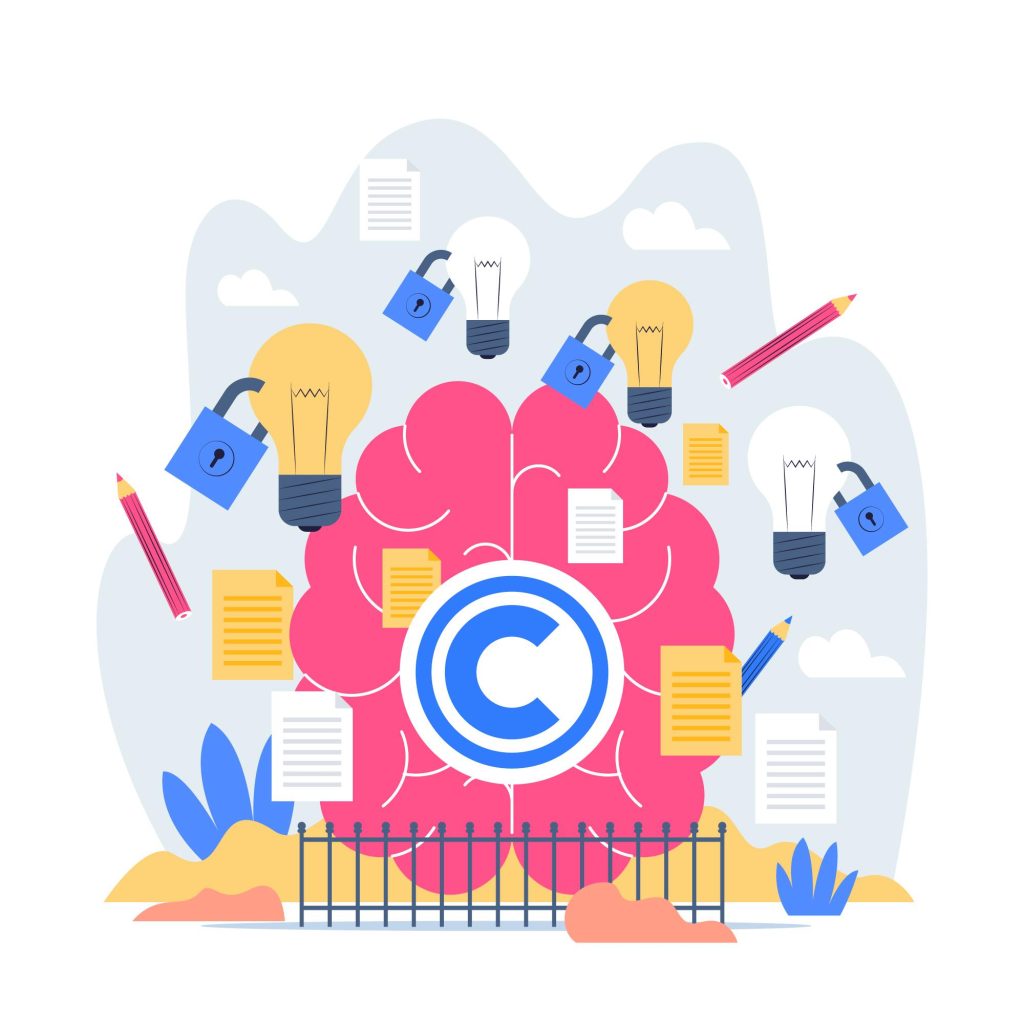
The rise of the creator economy has ushered in a new era dominated by millennials and Gen Z innovators reshaping industries and consumer behaviour. Whether you’re a TikTok influencer, YouTube filmmaker or Twitch streamer, understanding intellectual property (IP) is essential.
In the digital age, IP is more than a legal concept; it is a critical asset for protecting, monetising and leveraging your creative work.
What is intellectual property?
IP refers to legal rights arising from intellectual activity in scientific, literary, artistic and industrial fields.
For content creators, IP takes various forms:
- Copyrights – protect original works like videos, music, artwork and blogs.
- Trademarks – safeguard brand identifiers such as logos, channel names or slogans.
- Patents – apply to unique inventions or tools used for content creation.
- Trade secrets – protect confidential information such as algorithms or business strategies.
Why IP matters to content creators
1. Protecting originality
Copyright laws ensure others cannot use or profit from your work without permission. For example, unauthorised reposting or monetisation of your content on another platform can be challenged using copyright protections.
2. Monetising your work
IP rights transform creations into income streams through licensing, merchandising or collaborations. For instance, you can license your music for advertisements, or trademark your brand for merchandise sales.
3. Building brand value
Your logo, name or tagline becomes synonymous with creativity and quality. Trademarking ensures your reputation isn’t diluted by unauthorised use.
4. Establishing ownership in collaborations
Collaborations are common among creators, but often lead to disputes over ownership. Formal agreements upfront ensure your contributions are protected and profits shared equitably.
Common IP pitfalls for content creators
- Ignoring licensing details: Using unlicensed music, images or video clips can result in copyright claims, demonetisation or lawsuits.
- Misinterpreting fair use: While small portions of copyrighted material may fall under fair use, the rules are complex and vary by context.
- Overlooking global protections: Content on the Internet is accessible worldwide. Ensure your IP rights are secured in key markets to prevent misuse.
The creator economy continues to expand, with IP becoming a cornerstone of success. For content creators, IP is more than protection – it is empowerment. By understanding your rights, you can safeguard your creative efforts, monetise your content effectively and turn your passion into a sustainable career.
Whether you’re a millennial or Gen Z creator, IP is your strongest ally in building a thriving enterprise that values and rewards your hard work.
Robyn Shepherd
Image credit: Freepik