Why every comment counts: What restaurants are learning from their customers
6 min read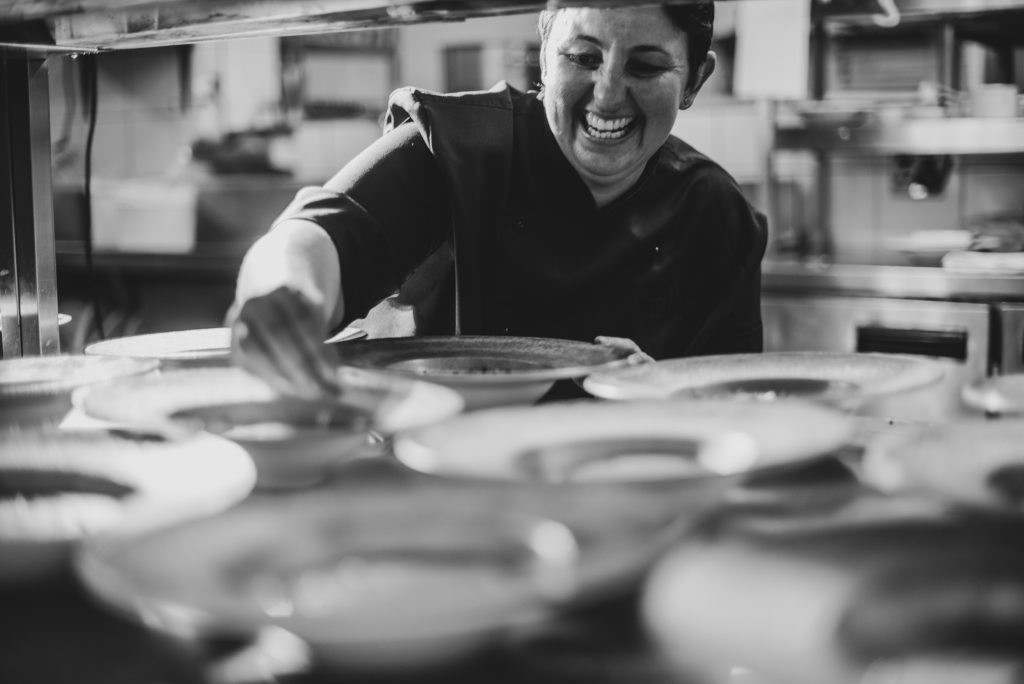
Chef Kerry Kilpin
In an age where diners are not only patrons but also online critics, customer feedback plays a pivotal role in shaping the restaurant experience. A glowing review can boost bookings, while a critical one can deter potential guests.
However, for some of South Africa’s most respected restaurateurs, feedback is more than just reputation management; it is a powerful tool for growth, innovation, and meaningful connection.
At Steenberg in Cape Town, Executive Chef Kerry Kilpin views customer feedback as essential to her restaurant’s ongoing evolution. “It gives us insight into what our guests are enjoying, where we might be falling short, and what expectations we need to meet or exceed.”
For Kilpin, feedback is not just ‘gathered’; it informs strategic decisions. “Whether that’s adjusting a dish, improving service, or supporting team development, feedback keeps us grounded and adaptable.”
Kilpin sees feedback as both a mirror and a map. “It helps us fine-tune what we are doing but also reassures us when we are on the right track. Not every piece of feedback will lead to a change, but it is all considered. The key is to listen with an open mind, without losing sight of the bigger picture.”
One example stands out. Guests began asking more about the sustainability of the fish offerings. “It made us realise that people weren’t just interested in how the dish tasted, but in the story behind it,” Kilpin shares. This prompted a deeper partnership with Abalobi and a more conscious approach to sourcing that connected the entire team to a broader purpose. “Sometimes feedback isn’t about changing a dish; it’s about deepening your why.”
Similarly, at Grootbos Private Nature Reserve, general manager Sean Ingles credits guest feedback for inspiring a shift in the restaurant’s culinary direction. “Feedback made it clear that travellers were looking for lighter and healthier options, so we reimagined the menu. Instead of a meat-dominated offering, we now have a dinner menu that is vegan and vegetarian-focused, with proteins paired thoughtfully with each dish.”
Like Kilpin, Ingles sees food quality as the heart of the restaurant’s success. “Without good food, you don’t have a successful restaurant,” he states. “But service matters too. People want slick but unstuffy service. We encourage our servers to share their own personality, making the atmosphere more relaxed and genuine.”
Both restaurateurs are firm believers in using online reviews to their advantage. Kilpin notes that platforms like Google, TripAdvisor, and Dineplan all play critical roles. “Google has the broadest reach and is often the first touchpoint. Dineplan is key for local diners, while TripAdvisor is big with international travellers,” she says.
One of the most significant changes for her team was adopting a structured response strategy for all reviews. “It used to feel personal when criticism came in,” she admits. “But now that we reply to every review thoughtfully and consistently, it’s less emotional and more constructive.”
Ingles agrees, “We always respond and in a factual, honest and respectful way,” he explains. “If we have made a mistake, we own it. If a review feels unfair, we still respond but tell our side with professionalism. It is frustrating when someone does not raise concerns in person, but we try to treat every review as a learning.”
Internally, Kilpin ensures feedback boosts morale and informs training. “Positive reviews are shared to celebrate great service. Negative ones become teaching moments. It is all about consistently improving the guest experience.”
Perhaps most powerfully, both agree that feedback benefits diners too. “When guests see their input being heard and acted on, it builds trust and loyalty,” says Kilpin. “It creates a sense of involvement, and they feel part of the journey, not just visitors.”
Ingles adds, “We can so often become caught up in day-to-day operations that we miss opportunities. Diners help us see those. If a suggestion leads to a lasting change, then future guests benefit and that’s a win for everyone.”
In Cape Town, Kilpin says the feedback culture is passionate and engaged. “It pushes us to stay sharp. We are not just serving meals; we are building relationships.”
For restaurants committed to excellence, feedback is not an interruption; it is the dialogue that keeps their craft alive. As Kilpin puts it, “Reviews turn into a conversation, and we treat it as a chance to demonstrate professionalism, empathy, and our commitment to genuine hospitality. And for diners, sharing feedback is not just critiquing a meal, it is about shaping an experience.”