Solareff powers a new era of energy certainty and cost efficiency
4 min read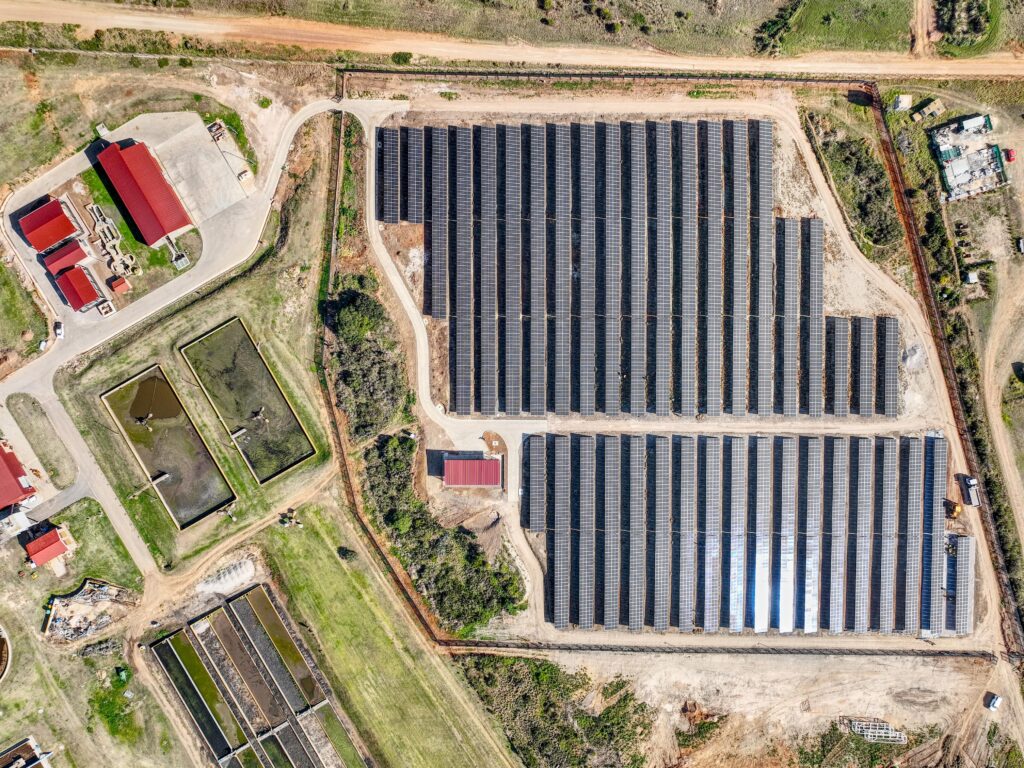
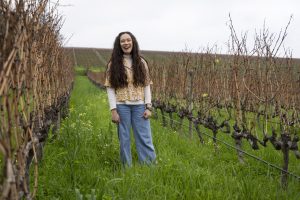
At Solar & Storage Live Africa 2026, the message from Jaco Botha was clear: Renewable energy in South Africa has moved beyond emergency response into a phase defined by long-term financial logic and national impact.
As co-founder and CEO of Solareff, Botha – together with his brother De Villiers – has grown the business since 2010 into a leading commercial and industrial solar and battery storage platform. With more than 500 projects and about 190 megawatts installed, the company delivers large-scale rooftop systems and integrated solutions across agriculture, retail, mining and heavy industry.
Leadership within the business is a key strength, with both brothers playing central roles in strategy, client engagement and the company’s continued growth.
Botha explains that the sector has progressed through distinct phases shaped by the energy crisis in South Africa. During peak loadshedding, the priority was continuity of supply, with businesses relying on backup power to sustain operations. That urgency has shifted to cost efficiency and long-term savings.
Solar and storage are no longer only about keeping the lights on, but about producing electricity at a lower cost than supply from Eskom. “We are at a point now where with solar and battery solutions we can provide power at a much cheaper rate than what clients can buy from Eskom, so it becomes a financial no brainer,” he says.
This transition has strengthened the financial case for renewables. Clients are adopting solutions that stabilise operations and reduce costs, while flexible funding models, including power purchase agreements, enable access without upfront capital.
Solareff’s portfolio reflects this growth. The company has delivered several of South Africa’s largest rooftop solar installations including projects at Eastgate Shopping Centre in Germiston, Boardwalk Inkwazi in Richards Bay, Midlands Mall in Pietermaritzburg and Clearwater Mall in Roodepoort. These developments highlight the scale of distributed generation while making effective use of existing infrastructure.
Beyond individual projects, Botha points to the wider system impact. Private sector investment has added significant capacity to the grid, with thousands of megawatts installed nationwide. This has eased pressure on supply and reduced reliance on coal and expensive diesel generation, contributing to a more resilient energy mix.
One of the company’s flagship municipal projects is the Hartenbos Waste Water Treatment Works solar PV plant and microgrid (pictured), developed with Mossel Bay Municipality. It demonstrates how renewable energy can support critical infrastructure while improving reliability and lowering environmental impact.
Botha adds that each installation involves more than panel deployment. Electrical upgrades, structural assessments and roof improvements are often required to ensure compliance and long-term performance, all integrated into a solution that delivers both reliability and cost savings.
On the global stage, geopolitical instability continues to affect energy markets, particularly through fuel prices. This uncertainty reinforces the case for localised generation. By reducing dependence on fossil fuels, businesses can limit exposure to volatility while strengthening sustainability. “What is happening globally is bad for everyone, but it creates an opportunity for us to provide clients with a cheaper and more stable alternative,” he says.
He also states that engagement with the government remains critical. Through industry bodies and advisory roles, including contributions to national grid code discussions, Solareff continues to support a regulatory environment that enables growth. Progress is evident, but ongoing collaboration between the private sector and government is essential.
Looking ahead, Botha sees renewable energy as more than an industry. It offers a pathway to address high energy costs and unemployment, while creating opportunities across the economy.
The conclusion: Renewable energy is no longer an alternative; it is becoming the foundation of a more secure, affordable and inclusive energy future for South Africa.