Mining sector turns to private renewables as CBAM and tariff pressures redefine competitiveness
3 min read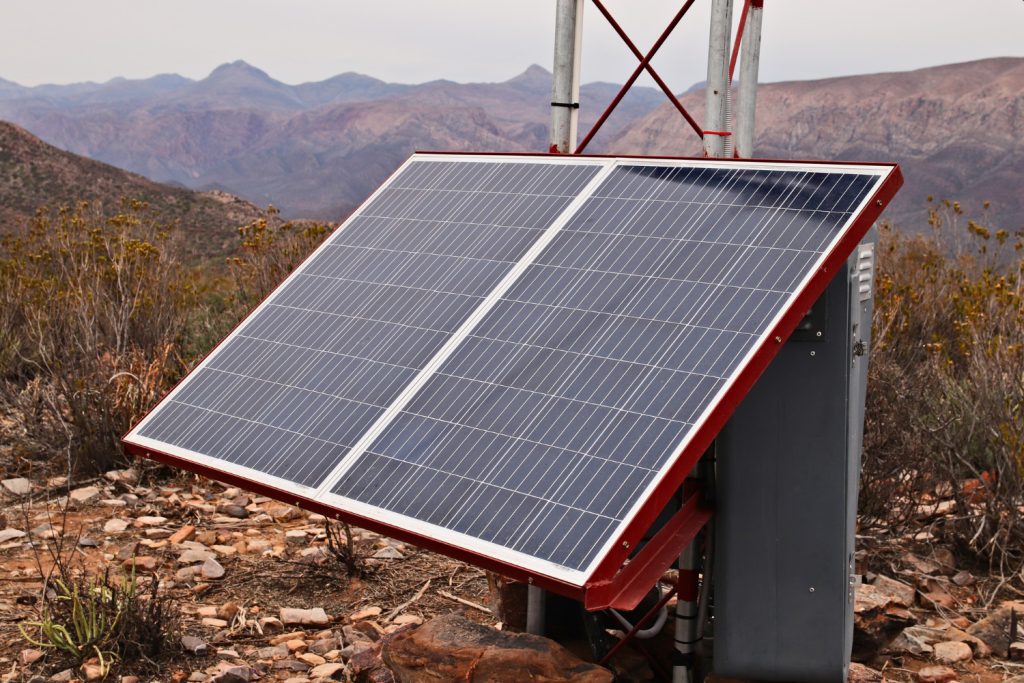
As the European Union’s Carbon Border Adjustment Mechanism (CBAM) enters its permanent phase and global buyers tighten emissions disclosure requirements, South African mining operations are accelerating the integration of privately contracted renewable power into their energy mix.
Energy strategy is fast becoming a proxy for carbon performance, and a determinant of long-term market access. Lyra Energy – the renewable power platform jointly owned by Scatec, STANLIB and Standard Bank – is expanding its work with mining clients to support this shift.
The company recently reached financial close on its flagship 255MW Thakadu solar project, one of South Africa’s largest privately contracted renewable developments – with construction now under way on phase one and commercial operation expected in the first half of 2027.
Building on its position that decarbonisation and energy resilience must be addressed in tandem, Lyra is working with industrial clients to incorporate renewable generation – and where appropriate, battery storage – into existing operations.
Recent project activity has centred on hybrid configurations tailored to mining sites, where load profiles are continuous and energy-intensive. Early implementation insights point to measurable reductions in Scope 2 emissions alongside greater predictability in long-term energy costs.
The timing is significant.
The EU’s CBAM moved into its definitive phase on 1 January 2026, and parallel disclosure regimes – from IFRS S2 to investor-led reporting frameworks – are increasingly shaping commodity trade flows.
For South African exporters of platinum group metals, iron ore and manganese, the ability to demonstrate lower embedded emissions is becoming a commercial requirement, not a sustainability nice-to-have.
“Energy is becoming a proxy for carbon in global trade,” says Liesel Kassier, senior business developer at Lyra Energy. “Mining operations that can evidence lower emissions intensity will be better positioned as procurement standards evolve – and the operations that move first will define the benchmark.”
Beyond compliance, the case for renewable integration is also being reshaped by structural factors in South Africa’s electricity system. While Eskom has now sustained more than 300 consecutive days without loadshedding and entered the 2026 winter season with a stable supply outlook, mining executives remain focused on the longer term picture: rising Eskom tariffs, transmission constraints in resource-rich regions, and the capital intensity of replacing ageing coal capacity.
Privately contracted renewable supply offers a hedge against all three.
As South Africa works to retain its standing as a leading mining jurisdiction, aligning energy use with emerging international standards will play a defining role.
The integration of renewable energy into mining operations is expected to be a key enabler, supporting both emissions reduction and continued participation in global markets that are rapidly redefining the terms of trade.
Image credit: Freepik/wirestock