When children emigrate, family trusts may need a fresh look
4 min read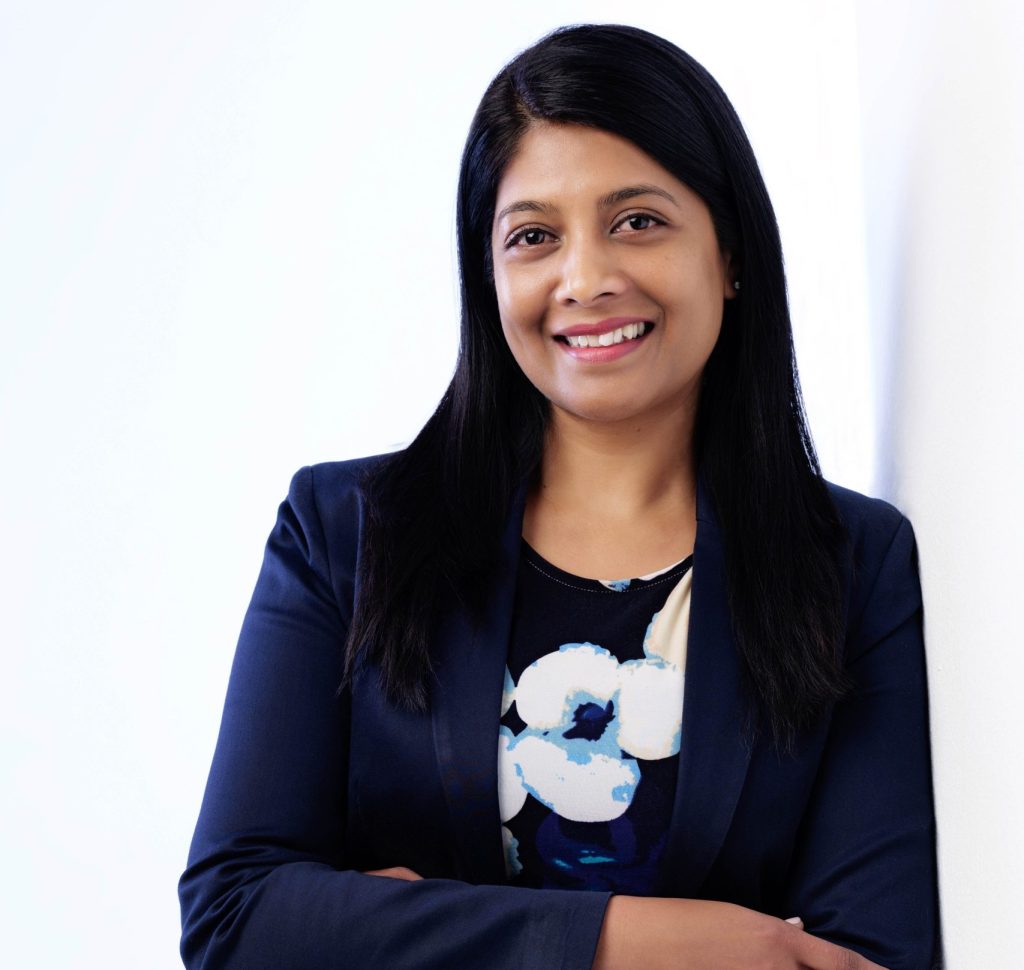
As South African families become increasingly global, long-established financial structures are being tested in new ways. One of the areas under growing strain is the family trust – particularly when adult children emigrate and become tax residents in other jurisdictions.
“Families often set up trusts with a very specific vision in mind: to support children, grandchildren and long-term legacy goals,” says Desiree Raghubir, associate director and Certified Financial Planner® at BDO Wealth. “But as families grow, change and disperse geographically, those structures don’t always adapt automatically.”
BDO Wealth has seen a growing number of families revisiting trusts that were established many years ago, often at a time when all beneficiaries lived in South Africa. When children emigrate, the tax, compliance and administrative implications can change significantly – sometimes with unintended consequences.
“In practice, it’s often the emigration of children that becomes a turning point,” Raghubir explains. “Once beneficiaries are no longer South African tax residents, trust distributions may attract higher local taxes and, in some cases, create the risk of double taxation.”
Recent changes to South African tax legislation have sharpened this reality. From March 2024, income and capital gains distributed by South African trusts to non-resident beneficiaries are generally taxed in the trust at higher rates. The so-called ‘conduit principle’, which previously allowed income and gains to flow through to beneficiaries for tax purposes, now applies only to South African tax resident beneficiaries.
“These changes mean that structures which were perfectly compliant and efficient in the past may now be misaligned with a family’s current circumstances,” says Raghubir. “That doesn’t mean trusts are no longer useful – but it does mean they need to be reviewed.”
In one recent engagement, BDO Wealth worked with a multigenerational family whose trust had been created to hold business interests and to support successive generations. Over time, the family’s circumstances shifted as adult children emigrated and established lives abroad. This prompted a broader conversation around whether the trust still fulfilled its original purpose in a tax-efficient and practical way.
“The starting point is always to revisit why the structure exists in the first place,” Raghubir says. “We look at the original intent, compare it to the family’s current reality, and then explore the available options and their implications.”
Importantly, these conversations extend beyond numbers and tax outcomes. Trusts often represent family history, values and intention, making any review deeply personal. “For many families, reviewing a trust can feel emotional,” Raghubir notes. “But done properly, it can also bring clarity and relief – especially when there is a clear plan that respects the legacy while adapting to change.”
She emphasises that financial planning should never be treated as a once-off exercise.
“Trusts are valuable wealth-planning tools, but they must remain fit for purpose,” she says. “My advice to families is to review existing structures regularly and ask whether they still align with your family values, your circumstances and where family members now live. That’s how you keep a legacy alive, relevant and sustainable.”