Embracing neurodiversity in the workplace
6 min read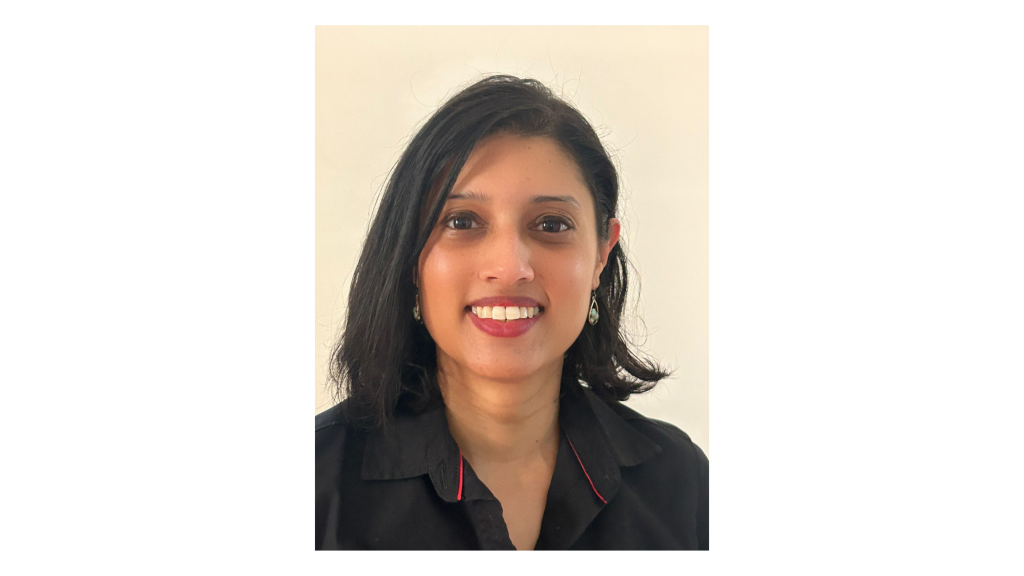
“There is no greater disability in society, than the inability to see a person as more.”– Robert Hensel
We all have the right to participate fully in society and to leave our mark on the world. Yet, for persons with disabilities, this right is often overlooked – particularly for those whose disabilities are not immediately visible.
Each year, autistic and neurodivergent individuals, alongside advocacy organisations, continue to highlight the urgent need for meaningful support and genuine inclusion, especially within the workplace.
Yet, despite these efforts, the statistics continue to paint a sad reality. Although South Africa’s Employment Equity target for persons with disabilities is 3%, we are achieving below 1.5%. While some municipalities such as eThekwini have Disability Desks, these often fall short in actively supporting or employing autistic and neurodiverse individuals.
Safety, dignity and opportunity are a critical part of what freedom should feel like in the workplace. We must urgently go beyond laws and targets.
At some point in our lives, most of us will experience some form of disability – whether temporary or permanent – through age, illness or circumstance. So, it is in our best interest to co-create a world that includes all.
The same challenges persist
According to the World Health Organization, about 1 in every 127 children globally has autism (2021). In South Africa, research has found the prevalence of autism to be between 0.08% to 2%.
Less is known about employment outcomes for autistic adults, but available insights suggest that only a small proportion are employed and many face significant barriers both entering and remaining in the labour market.
A 2022 South African study on young adults with autism found that those who secured employment often did so through personal networks and family connections, rather than formal recruitment processes. This highlights systemic gaps in access and inclusion.
What your workplace may be missing through a lack of diversity
Universal design
Coined by Ronald L. Mace, universal design refers to creating environments, products and systems that are accessible to a wide range of people. Designing in this way benefits everyone, not only persons with disabilities. Features such as dropped curves, wider access points, automatic doors, electric toothbrushes, audio description and audiobooks have all been developed with accessibility in mind.
One of my favourite innovations of late is closed captions on TV and video content – something my whole family has become used to because of my autistic brother. This approach improves usability across contexts.
Thinking differently
Peter Thiel, co-founder of PayPal, has spoken about the value of hiring neurodiverse individuals to counter ‘herd-like thinking’ in organisations. Neurodiverse employees often process information and solve problems in unique ways, bringing fresh perspectives and innovative solutions. Inclusive hiring practices are not only the right thing to do. They are smart business.
Untapped potential
There is a significant pool of highly skilled autistic individuals who remain excluded from the workforce. Many hold advanced qualifications and valuable expertise, but struggle to access opportunities. By opening pathways to employment, organisations can unlock talent that meaningfully contributes to both business performance and broader economic growth.
Commitment and loyalty
Autistic and neurodiverse individuals, like anyone else, want to contribute meaningfully to society. Having faced systemic barriers, many bring a strong sense of humanity, commitment, dedication and reliability – qualities that organisations consistently seek in employees.
A shared humanity
Engaging with people who experience the world differently can be deeply enriching. When we move beyond labels and recognise our shared humanity, we create workplaces rooted in belonging and connection.
Through my own journey alongside my brother, I have developed greater patience, empathy and appreciation for difference, and I have become part of a community that is reimagining how we live and work together.
If you are a leader wondering how to begin creating a more neuro-inclusive workplace, consider the following:
- Build understanding: Invest in learning about autism and neurodiversity across your organisation. Partner with non-governmental organisations and non-profits that facilitate awareness sessions ideally led by autistic individuals, in line with the principle of ‘nothing about us without us’.
- Partner with an organisation that can provide both you and the new employee with the reasonable accommodations and supports they require. Each person is different, so ongoing guidance ensures a more sustainable and successful integration.
- Share your success stories: If your organisation has begun this journey, share your experiences. Success stories can inspire and guide other leaders to take meaningful steps toward inclusion.
Inclusion is a present responsibility, as the choices we make today – who we support, hire and accommodate – directly impacts whether people experience equal opportunity, inclusion and belonging. By embracing neurodiversity, we move closer to workplaces that reflect the dignity, equality and humanity to which we aspire as a society.
The question is no longer whether we can afford to be inclusive, but whether we can afford not to be.
If you would like to explore how to start hiring autistic and neurodiverse individuals, you can connect with Action in Autism (info@actioninautism.org.za), a KwaZulu-Natal–based NPO doing impactful work with autistic people.
Taegan Devar
Industrial Psychologist
Founder & Managing Director: Fineline Consulting