Connected cold store fleets an operational advantage for KZN citrus farmers
4 min read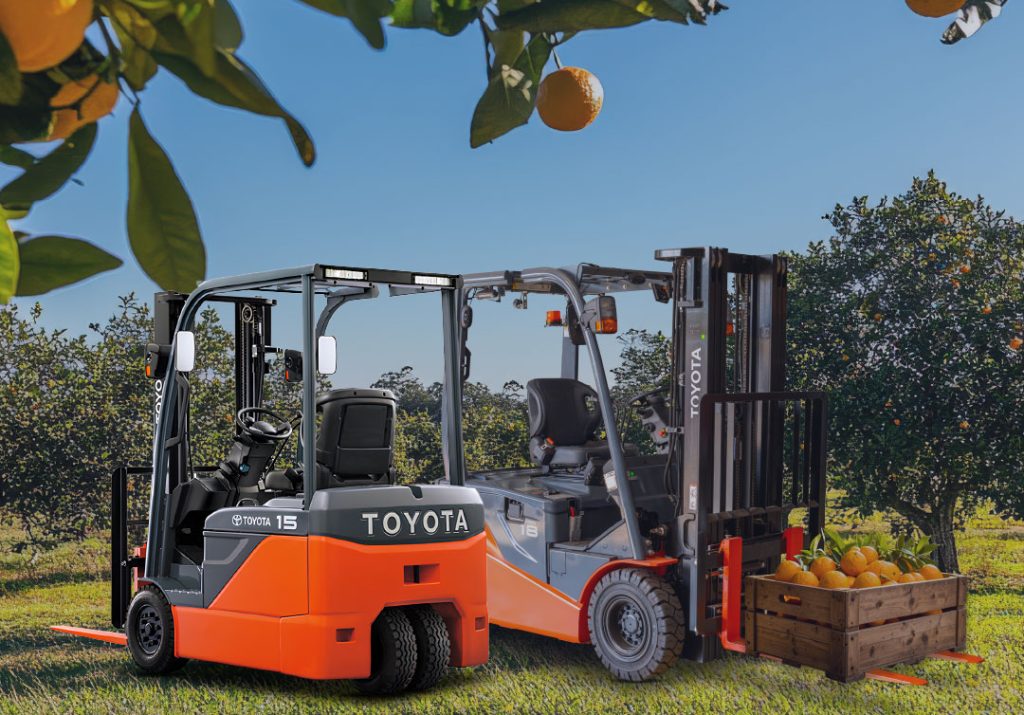
Cold store facilities that support citrus farming operations demand far more from material handling equipment than standard warehousing environments. Between temperature-sensitive produce, strict export compliance requirements, seasonal throughput pressures and the need to minimise bruising, fleet performance plays a direct role in profitability and supply chain reliability.
As KwaZulu-Natal’s citrus sector negotiates peak harvesting season, connected forklift fleets are becoming a significant operational advantage for producers, packhouses and cold-storage facilities.
CFAO Equipment national technical manager Stephen Mostert says modern fleet technology enables operators and warehouse managers to gain real-time visibility into equipment usage, safety performance, battery health and operator behaviour.
“With our 8FBE and 8FBN electric forklift models equipped with advanced telematics, the level of insight it provides is helping citrus operations reduce downtime, improve safety and maintain tighter operational control during peak harvesting and export periods.”
Real-time fleet visibility with I_Site
Connected fleet management systems such as the Toyota Material Handling–designed I_Site provide cold store and packhouse teams with complete visibility across their forklift operations. Managers can monitor fleet usage, track equipment activity, identify inefficiencies and make informed operational decisions based on live operational data.
For citrus packhouses and cold storage facilities in KZN, where maintaining the cold chain is essential to preserving fruit quality, this visibility allows operations teams to:
- reduce unnecessary equipment idle time;
- optimise fleet allocation during peak harvesting periods;
- improve maintenance scheduling during busy export seasons;
- monitor impacts and equipment usage trends; and
- increase overall fleet productivity and uptime.
Safer operations in cold store environments
Safety remains a major priority in citrus cold storage environments, where visibility can be reduced and forklift traffic is often intense during packing and loading operations.
Mostert explains that advanced safety technologies such as TMH’s SENS+8 pedestrian protection system help support operators by detecting obstacles or pedestrians and actively intervening to prevent collisions.
“Combined with Blue Light warning systems, forklifts become more visible to pedestrians and nearby operators, particularly in low-light refrigerated environments and high-traffic loading zones.”
Connected safety systems also provide valuable operational data that can help identify high-risk areas and improve overall site safety management across citrus handling facilities.
Lithium power improves efficiency and uptime
Lithium-ion battery technology is rapidly becoming the preferred power solution for modern cold store fleets supporting agricultural operations.
Unlike traditional lead-acid batteries, lithium power offers faster opportunity charging; consistent performance in cold environments; reduced battery maintenance; longer operational runtime; and improved energy efficiency
For citrus packhouses operating multiple shifts during harvesting and export peaks, lithium technology supports higher equipment availability while simplifying battery management and reducing operational interruptions.
Greater control for a competitive advantage
As agricultural supply chains become increasingly data-driven, connected forklift fleets are becoming essential operational infrastructure for modern citrus operations.
“The combination of fleet visibility, advanced safety systems, cold store–ready equipment and lithium power enables KwaZulu-Natal citrus producers and packhouses to operate with greater efficiency and safety – critical considerations during their busiest periods,” concludes Mostert.