High-quality early years education equals better long-term academic outcomes
4 min read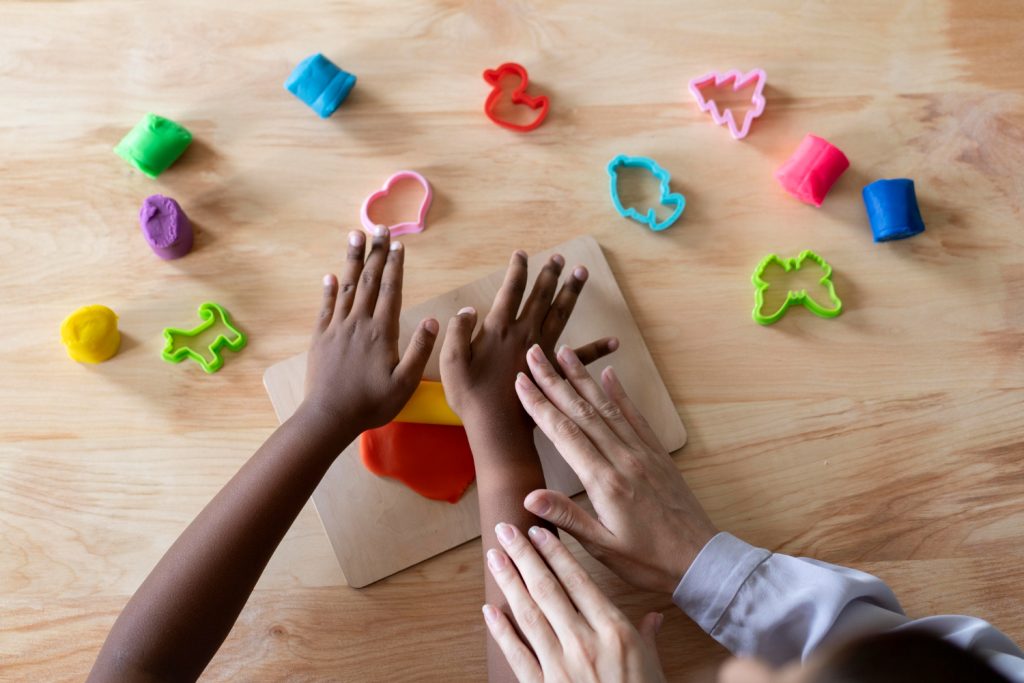
In one of the largest meetings of early years teachers in recent years, The Reframing Education Workshop last month brought together more than 750 early childhood development (ECD) teachers from across South Africa, Kenya, Ethiopia and Botswana to consider how to strengthen and evolve early years practice – the most important and foundational stage of a child’s education.
The teachers from ADvTECH and ADvTECH International affirmed the position that the future of education must be shaped by communities who come together, stay curious and continually refine the ways children learn.
Lynda Eagle, academic adviser: Early Years at ADvTECH Education, says this approach is supported by research and data showing that children who have access to high-quality early years education consistently achieve better long-term academic outcomes.
The early years are not simply a starting point; they are the foundation where cognitive, social, emotional and creative pathways begin to take shape.
“In early years education, curiosity is more than a spark – it is the engine of learning,” she says. “Children flourish when their experiences are relational, responsive, transformative and rooted in a sense of belonging. When they feel seen, heard and connected, they develop the confidence to explore, question and imagine – laying strong foundations for literacy, numeracy, collaboration and emotional wellbeing.”
At the heart of this approach are three strong elements that shape not only what children learn but who they become:
1. Responsive, community-driven learning
When learning is guided by relationships and co-constructed understanding, children come to see themselves as active contributors to a shared story. They learn in partnership, with peers, teachers and the wider community, building identity, resilience and empathy. Clear narratives and shared values help everyone understand the meaning behind each experience, creating coherence and purpose that extends beyond the classroom.
2. Thoughtful blending of analogue and digital spaces
Today’s early learners inhabit both physical and digital worlds. When hands-on exploration is thoughtfully combined with technology, learning becomes richer and more visible. Digital storytelling, photo documentation and creative media and digital tools amplify children’s voices, allowing them to communicate and reflect on their thinking in immediate, meaningful ways. Technology, used intentionally, does not replace play, it deepens it – expanding opportunities for enquiry, creativity and connection.
3. Expressive and responsive materials
Materials such as clay offer children a chance to think with their hands, to shape, reshape, test and refine ideas. These ‘intelligent materials’ invite dialogue, imagination and calm focus. In this tactile space, children construct personal and shared narratives, strengthening persistence, problem-solving and creative confidence. When children see their ideas take form, they come to understand that their thinking has value.
Together, these elements – responsive relationships, digitally enriched learning and expressive materials – form environments where children thrive academically, socially and emotionally. “They help build strong identities and narratives for learning,” Eagle emphasises. “And as research and practice show, when children are curious, confident and connected, they gain true academic advantage.
“Research increasingly shows that the early years matter,” she concludes. “As educational institutions, our commitment must go beyond the classroom. We must embed these principles into everything we do, and ensure we support ongoing professional development and continuous learning. The culture of reflection, collaboration and innovation empowers teachers to grow and adapt, creating rich learning experiences that help students flourish – not just academically but personally and socially, preparing them to navigate and thrive in ever-changing spaces.”
Image credit: Freepik