More than a view: How Table Mountain Aerial Cableway Company empowers women-owned businesses
4 min read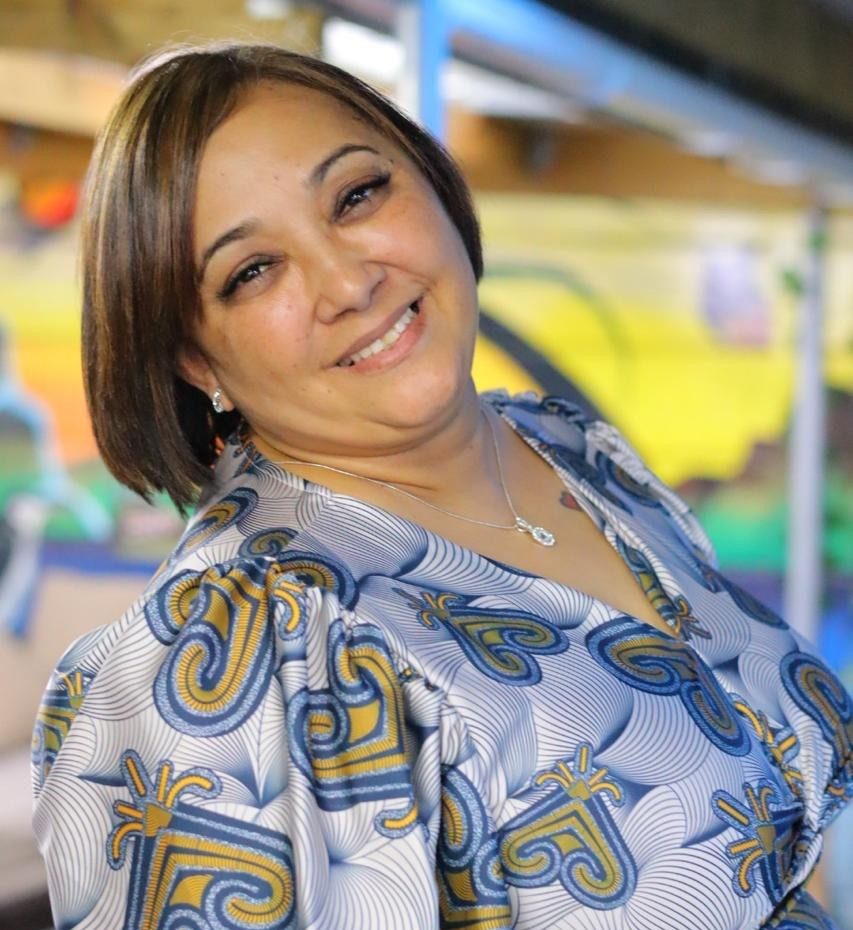
This International Women’s Day, Table Mountain Aerial Cableway Company (TMACC) is celebrating the women entrepreneurs whose products line its retail shelves and whose businesses are growing because of it.
Tourism remains one of the country’s most powerful economic drivers, projected to support nearly 1.9 million jobs and contribute more than 11% to national employment. For TMACC, one of South Africa’s most iconic attractions, this comes with a responsibility: to ensure women-owned enterprises benefit from the sector’s expansion.
Each year, thousands of visitors pass through the cableway. For many small brands, that visibility represents far more than retail shelf space; it provides a platform to showcase their products and craftsmanship to a global audience.
“Tourism has the power to change lives, and women are often at the centre of that transformation,” says Wahida Parker, managing director at TMACC. “When we intentionally source from women-owned businesses, we are not simply filling shelf space. We are creating pathways to long-term sustainability and economic inclusion.”
From shelf space to sustainable growth
TMACC’s Enterprise and Supplier Development (ESD) programme, launched in 2018 in partnership with Siyakha Implementation Partners, equips small businesses with practical skills in finance, human resources, marketing and operations.
Through structured mentorship and market access, several small enterprises have expanded their operations and unlocked opportunities beyond Table Mountain. Suppliers report measurable improvements in revenue, operational efficiency and brand visibility – demonstrating the long-term value of TMACC’s development support.
One such example is Skona Clothing, a women-led clothing manufacturer based in Mitchells Plain. “Having Skona Clothing stocked at Table Mountain is an incredible honour,” says Zubeida Hartnick (pictured), director. “We are a small business from an under-resourced community and this opportunity allows us to showcase our products to visitors from around the world. It’s not just a milestone for me, but for the women on my team who work hard every day to help grow the business.”
To date, more than 30 suppliers have completed the 12-month ESD programme, many of them women-led enterprises that have since grown their businesses, improved profitability and strengthened their presence in the local market.
TMACC’s local procurement strategy is deliberate and data-driven:
- 97% of retail products are sourced from local businesses, ensuring tourism spend remains within South African communities.
- 51.74% of TMACC’s retail supply chain is made up of women-owned suppliers, reflecting a sustained commitment to economic inclusion.
Support extends beyond procurement. TMACC provides:
- Structured mentorship and business guidance;
- Assistance with stock management and distribution;
- Flexible payment options to ease cash flow pressures;
- Access to funding pathways and grant opportunities;
- Collaboration with sustainability-focused community initiatives.
This hands-on approach ensures small suppliers are empowered by demand, rather than overwhelmed by it.
“We recognise that small businesses face real barriers to growth,” Parker says. “Our role is to help remove those barriers and create an enabling environment where women entrepreneurs can thrive.”
Tourism as a multiplier for women
Women entrepreneurs often reinvest in their families and communities, creating impact that extends far beyond individual businesses. By embedding women-owned enterprises into its supply chain, TMACC is contributing to a more inclusive tourism economy, one where opportunity is shared more equitably.
Sustainability forms part of this commitment, with eco-conscious product development and waste-reduction strategies incorporated into retail operations.
Looking ahead, TMACC plans to expand its supplier development initiatives to support more qualifying small businesses with continued emphasis on women-owned enterprises.
This International Women’s Day, TMACC reaffirms that iconic landmarks can do more than inspire – they can enable. On Africa’s most recognisable mountain, women-owned businesses are rising alongside the view.