Reimagining retirement: Unlocking the power of SA’s 50+ workforce
7 min read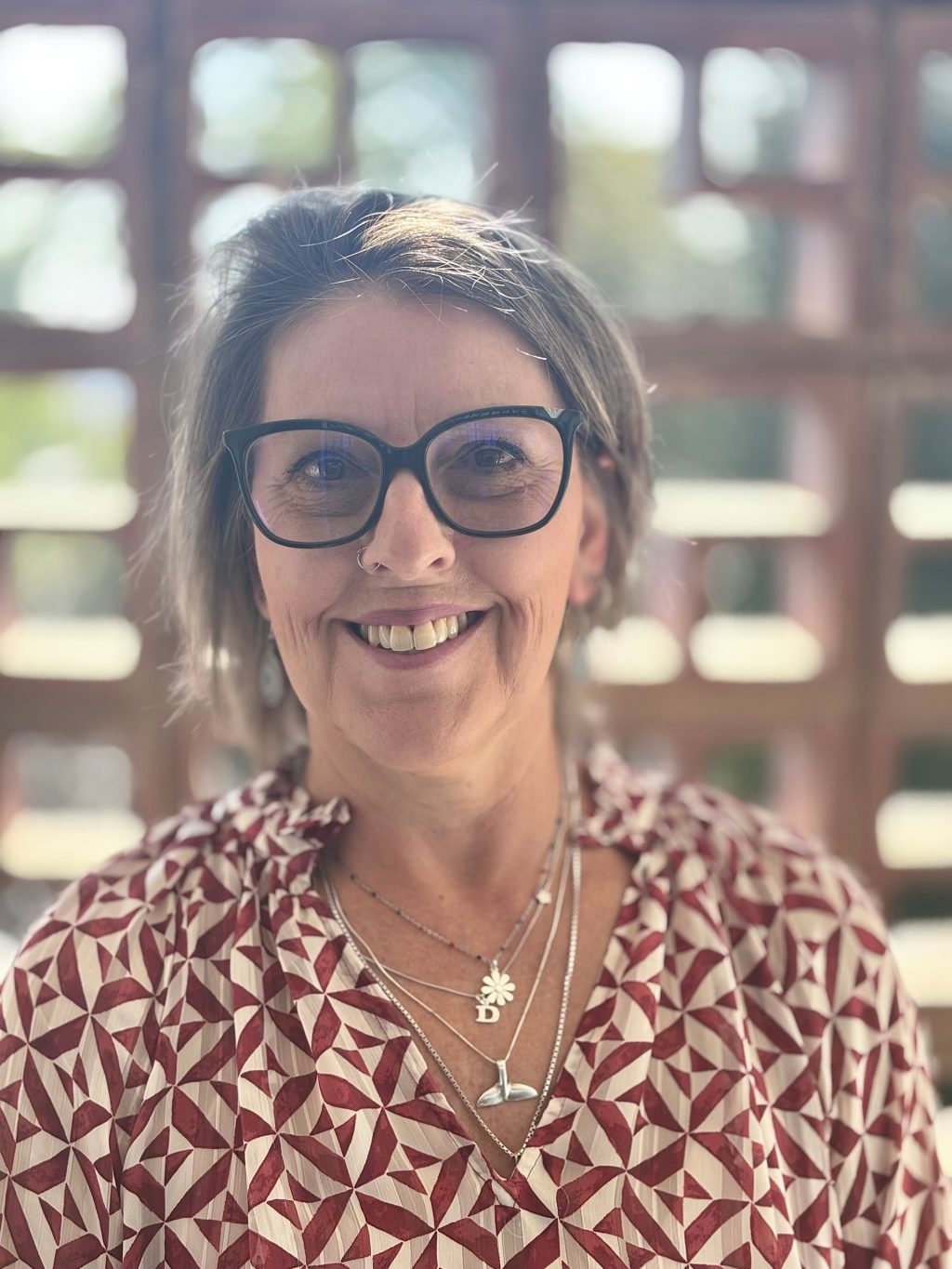
Retirement as we know it was a solution for a different time, says Dori Moreno, a strategic business adviser, life coach and conversation enabler. In a world where people increasingly live well into their 80s and beyond, traditional assumptions about retirement, careers, and leadership are no longer viable and must be reexplored, she explains.
For as long as many of us can remember, a traditional career path was a three-phase model: Learn (typically until your early 20s), work (usually for 30-40 years), and retire (around 50 or 65 and live off savings or pension). However, a 40-year career model is built on the assumption that productivity declines after 60, an idea increasingly challenged by research.
It’s been predicted that global life expectancy will increase by up to 5 years by 2050. When we consider that life expectancy has already increased by 27 years between 1950 and 2024, it is clear that retirement at 65 is by no means the end of personal productivity. Globally, outdated ideas around retirement are starting to shift substantially. Denmark, for example, has linked retirement age to life expectancy, with gradual increases expected to reach 70 in the coming decades. While many other countries are following suit, others, like South Africa, are slow to embrace this shift and rethink retirement not as an end but as a reinvention of purpose, productivity, and leadership.
The country’s 50+ demographic represents an often-overlooked engine of value. According to estimates, around 15% of the population is over 50, and this number is growing. A workforce with a significant proportion of older workers presents many benefits, including institutional knowledge retention, emotional intelligence and crisis experience, mentorship and leadership roles, and greater problem-solving capabilities.
In terms of entrepreneurship, a study has shown that a 50-year-old is twice as likely to build a successful startup than 30 a 30-year-old, and many global business minds argue that individuals over 50 are often the more transformative entrepreneurs and take a more innovative approach to problem-solving.
South African businesses have a unique opportunity to tap into this group, not just as consumers but as contributors, collaborators, and creators. However, an older workforce faces a gauntlet of challenges, which include ageism and stereotypes, physical limitations in certain industries, and technology skills gaps, which often present stumbling blocks for those who are ready and willing to contribute to the country’s economic resilience.
The solve? Unlearning everything we have been taught and seen as the norm for the last 50 – 100 years. Age-related disadvantages are not fixed limitations; they’re context-specific challenges that can be navigated with intention, support, and strategy. In many cases, they become neutralised or even turned into advantages when approached with openness and adaptability.
While it’s clear that traditional assumptions about retirement and career longevity are no longer viable, few institutions, be they governmental, financial or social, have adapted.
To recalibrate for century-long lifespans and reframe longevity as a market opportunity, support systems that sustain later life entrepreneurial activity must be considered, including:
Access to age-appropriate funding
Traditional venture capital tends to favour tech-driven startups with high-growth trajectories, often led by younger founders. Mature entrepreneurs, on the other hand, may pursue more stable, impact-driven or lifestyle-oriented businesses that don’t fit this mould.
What’s required:
- Alternative funding mechanisms like low-interest loans, community-based investment funds, or grant programmes tailored to older founders.
- Micro-financing and public-private partnerships that recognise the reduced risk often associated with experienced entrepreneurs.
- Flexible funding terms that align with shorter time horizons or capital preservation goals.
Mentorship and peer networks
Older entrepreneurs benefit from connection, encouragement, and accountability, especially when transitioning from traditional employment or returning from a career break.
What’s required:
- Peer mentoring networks to build camaraderie and the exchange of hard-won wisdom.
- Reverse mentorship with younger professionals to support tech fluency and cultural relevance.
- Mastermind groups or forums focused on business-building in later life, with regular check-ins, collaborative problem-solving, and mindset support.
Tailored incubators and accelerators
Most incubators are designed for fast-paced, high-stakes startups. This doesn’t always suit mature founders, many of whom prefer purpose-led, sustainable ventures that grow steadily rather than exponentially.
What’s required:
- Incubators specifically for 50+ entrepreneurs that offer a slower rhythm focus on impact and legacy and provide personal development support alongside business training.
- Curricula that integrate life experience, values alignment, and social impact rather than purely profit metrics.
- Flexible schedules and hybrid delivery, both online and in-person, to accommodate varying life circumstances.
Skills refreshers and lifelong learning opportunities
While many mature entrepreneurs have strong foundational skills, keeping up with technology, digital marketing, and new ways of working can be a challenge.
What’s required:
- Short, accessible training programmes in digital literacy, social media, e-commerce, and financial technology.
- Partnerships with universities and colleges to offer courses geared toward older learners.
- Online learning platforms or mobile-based modules that respect adult learning styles—practical, relevant, and self-paced.
Recognition and visibility
Entrepreneurs over 50 often don’t see themselves represented in media, pitch competitions, or success stories. Visibility matters for self-belief but also for attracting customers, collaborators, and capital.
What’s required:
- Celebration of success stories through awards, documentaries, or case studies of thriving older entrepreneurs.
- Inclusive branding and media representation across entrepreneurial support organisations.
- Campaigns that challenge stereotypes about ageing and productivity.
Psychosocial support and coaching
Entrepreneurship later in life often comes with emotional complexities, leaving behind an identity tied to formal employment, managing self-doubt, or overcoming burnout.
What’s Required:
- Coaching services focused on self-confidence, mindset shifts, and personal transitions.
- Support groups or facilitated dialogues that allow older entrepreneurs to explore purpose, legacy, and fulfilment.
- Access to mental health resources geared toward entrepreneurs navigating changes.
While midlife is a powerful time to pause and ask, ‘What now?’, structured and innovative policies to keep older adults economically active, productive, and socially included will be the catalyst that shifts that conversation to ‘What next?’.
The only way to balance our country’s youth-heavy population with longer lifespans and delayed retirement is to move beyond generational labels and instead implement opportunities for growth across all life stages. The question shouldn’t be whether someone is too old to contribute meaningfully, but rather, are we prepared for a full-system rethink to support their contribution?