Women-led transformation bridging the SMME funding gap
4 min read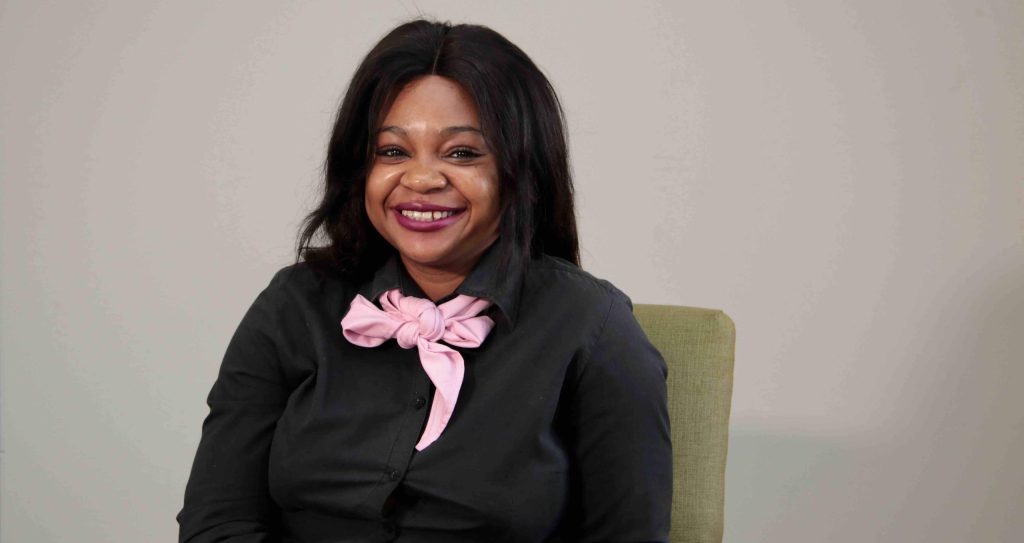
A South African impact investment fund is demonstrating how targeted capital, coupled with hands-on support, can unlock growth for small, medium and micro businesses (SMMEs) while advancing gender inclusion and economic transformation.
Positioned between early-stage venture capital and large institutional funding, the fund focuses on businesses that generate revenue, but require structured support to reach profitability and scale.
Welleminah Mdinisa, fund manager for WDB Entrepreneur Fund, says: “Over the past five years, we have invested approximately R49.5 million into a portfolio of businesses, with assets under management currently valued at around R72 million. Beyond capital, we provide intensive post-investment support including governance structures, financial management and strategic guidance – enabling entrepreneurs to become investment-ready and access larger funding pools.”
A key focus has been on expanding opportunities for women in business both through direct ownership and leadership representation. To date, 60% of the fund’s portfolio companies are women-owned, with a significant portion black women–led, while the broader investment strategy has driven transformation across management structures and job creation.
“The fund has supported 17 businesses, created over 178 jobs and retained approximately 80% of these roles despite the post COVID-19 economic impact.
“We had initially set out to invest exclusively in black women–owned businesses, but quickly realised there was deep mistrust around equity funding, with many entrepreneurs fearing loss of control. That forced us to rethink our approach and expand our mandate to support all businesses and actively transforming leadership structures to ensure greater inclusion,” she adds.
The investment model applied typically spans a minimum of five years, allowing businesses to position themselves, stabilise and reach profitability to attract larger scale investment or acquisitions. In several cases, entrepreneurs have successfully bought back equity stakes after achieving sustainable growth and momentum.
“Our role is to bridge the ‘missing middle’. These are the businesses that are too advanced for venture capital, yet too small for large institutional funding. Beyond providing capital, we build the governance, systems and strategic direction needed to make these businesses investable and profitable,” says Mdinisa.
While the fund has delivered measurable success, including strong returns from certain portfolio companies, it also highlights the structural challenges facing South Africa’s small business ecosystem and limited private sector participation remains a key constraint.
“The discontinuation of Section 12J tax incentives in 2021, which previously encouraged private investment into small businesses, has had a notable impact on capital flows into the sector. We have since seen a significant reduction in private sector appetite for small business investment, which is negatively impacting the collaborative mobilisation required to ensure the success of emerging SMMEs in the country. If we are serious about inclusive economic growth, we need similar incentives to crowd in private capital and support the businesses that drive job creation,” Mdinisa remarks.
Despite these challenges, the WBD Entrepreneur Fund continues to pursue both financial returns and social impact, investing in businesses that contribute to economic participation, innovation and community upliftment.
As South Africa looks to strengthen its entrepreneurial ecosystem, the fund’s model offers a practical example of how blended capital and targeted support can deliver both commercial viability and meaningful socio-economic outcomes.