Africa does not have a funding problem – it has an execution problem
5 min read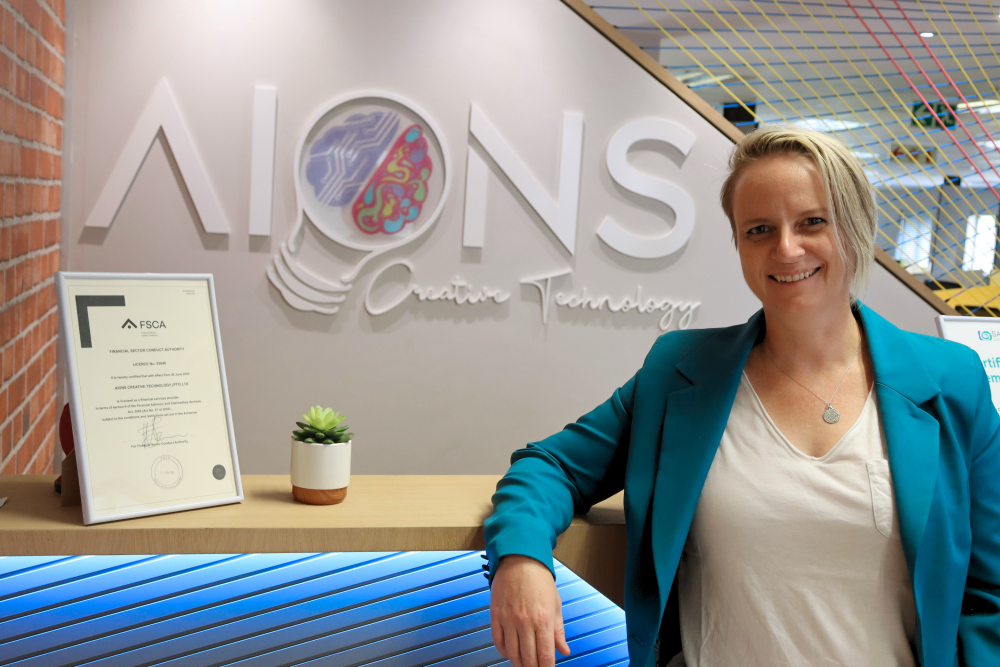
Aions Ventures is calling for a reset in how South Africa approaches small business finance, arguing that the country does not suffer from a shortage of capital, but from structural execution failures that prevent funding from working as it should.
“There is capital in the system. The issue is that it is not flowing to the right businesses in a way that enables sustainable growth,” says Kerryn Campion, chief operating officer at Aions Ventures.
The gap becomes clear once businesses move beyond the idea stage and into fulfilment. Many small to medium enterprises secure orders from corporates or government, yet struggle to access the short-term funding required to deliver on those contracts.
Traditional banks remain largely documentation-driven. Businesses must produce audited financial statements and detailed management accounts. They also need to demonstrate sufficient liquidity and collateral. For many emerging enterprises, particularly those operating in underserved communities, these requirements are virtually impossible to meet.
The alternative is often non-traditional lenders, where the cost of capital is significantly higher to price in perceived risk. “When the cost of lending rises to account for defaults, responsible businesses end up paying for the failures of others. That increases pressure before they have even begun to execute,” adds Campion.
But access is only part of the issue. She argues that execution discipline across the broader ecosystem is equally problematic.
In some instances, businesses that do secure funding misallocate it, diverting working capital away from its intended purpose. In others, procurement processes award contracts at a scale that exceeds the recipient’s operational capacity, creating pressure that can destabilise young enterprises.
Campion adds that financial literacy and capital discipline remain critical, particularly for early-stage founders who are suddenly exposed to larger contracts or funding lines.
“Working capital is not discretionary income. It is there to fulfil an order, pay suppliers and sustain operations. When funding is diverted into non-operational expenses before a business has stabilised its cash flow, it increases the risk for everyone in the chain. Education and mentorship around financial management are as important as access to capital itself.”
Late payment cycles further compound the problem. Municipalities and government departments are often slow to settle invoices. “A business cannot meet its obligations after supplying goods or services and then waiting months to be paid. That delay creates a ripple effect. The business cannot repay its funder, the funder absorbs the loss, and lending tightens across the ecosystem.”
Legal enforcement offers little relief. Recovering funds through the courts can take months, sometimes years. By the time judgments are obtained and assets attached, the commercial opportunity has often evaporated.
The result is a domino effect. Delayed payments and repayment failures increase risk. Increased risk raises the cost of capital. Higher costs exclude smaller, responsible businesses from accessing funding. It then results in the perception that capital is scare. However, funders are only retreating from perceived disorder.
“At Aions, we operate in working capital and trade finance. We see capable businesses with confirmed orders that simply need structured support to execute. Our experience shows that when funding is aligned with fulfilment and disciplined repayments, the outcomes improve. But that requires accountability from all sides,” Campion says.
Reform requires co-ordinated effort. Lenders must design products that align with operational cycles. For their part, the businesses must manage capital responsibly and transparently. Ultimately, procurement processes must account for capability.
“If repayment discipline improves and payment cycles stabilise, capital will flow more freely and at a lower cost. The opportunity in South Africa is significant. But sustainable growth depends on execution. Without it, even abundant funding will not deliver the outcomes we want,” concludes Campion.