African internal audit leaders sharpen focus on talent, standards and risk resilience
4 min read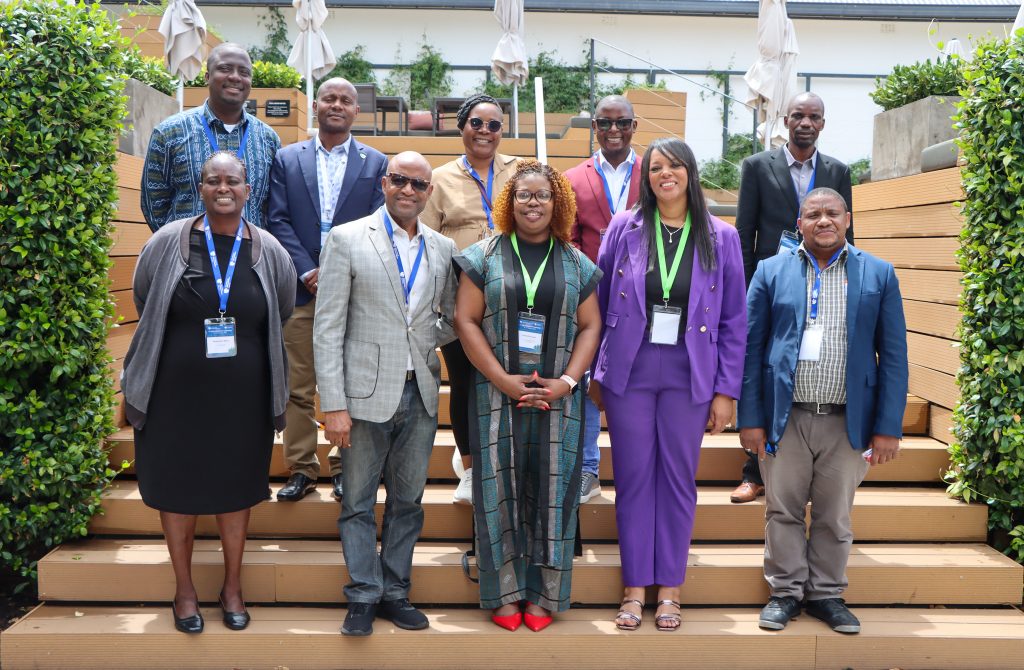
Internal audit leaders from across Africa recently concluded the fourth African Federation of Institutes of Internal Auditors (AFIIA) Leadership Workshop in Cape Town, with a clear mandate to strengthen the profession’s talent pipeline, reinforce professional standards and equip practitioners to respond to mounting governance pressure across the continent.
The two-day workshop brought together representatives from 29 African affiliates, along with the Institute of Internal Auditors (IIA) Global Board and executive leadership team. Discussions focused on how African institutes can better support members, strengthen advocacy efforts and position internal audit as a value-adding function in increasingly complex environments.
A dominant theme was the profession’s future sustainability.
“There is still a lack of awareness that internal audit is a career choice,” says Arlene-Lynn Volmink, CEO of IIA South Africa. “Many of us defaulted into the profession. We need to engage students earlier, build stronger university partnerships and make the professional pathway clear so that internal audit becomes a deliberate choice.”
Professionalisation and accountability formed the second major pillar of discussion. As a self-regulated profession in most African jurisdictions, internal audit must advocate for its value while upholding strong ethical standards.
“We are not a legislated profession in many countries. That means we must continuously demonstrate our value to boards and management. At the same time, we must hold ourselves accountable through robust standards, oversight and membership frameworks,” Volmink says.
Delegates examined ways to encourage greater membership participation, strengthen alignment with global standards, and make use of model regulatory wording developed by IIA Global to support engagement with policymakers.
Risk capability was another area of focus. Drawing on continental and global Risk in Focus research, leaders reaffirmed that cybersecurity remains a top concern across Africa, alongside fraud, corruption and geopolitical risk.
“For us as institutes, the question is not only how risks are audited but how we capacitate professionals so they have the technical skills to address cybersecurity and emerging risks with confidence.”
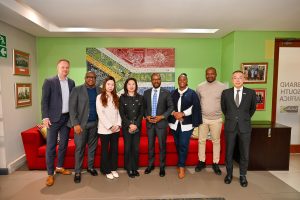
The workshop was followed by university engagements at Nelson Mandela University and the University of Pretoria, reinforcing the emphasis on future talent. At Nelson Mandela University, municipal leadership publicly affirmed the role of internal audit in strengthening governance and service delivery. The institutions, both recognised as two out of a total 14 global centres of excellence in internal auditing, showcased programmes spanning undergraduate to doctoral levels and highlighted its collaboration with partner universities.
At the University of Pretoria, more than 600 students engaged directly with African and global leaders, underscoring growing interest in the profession.
Insights from the workshop will inform ongoing continental collaboration and contribute to the agenda of the 12th AFIIA Conference later this year, as African institutes continue to align on how the profession must evolve under sustained governance pressure.