How AI is powering the next healthcare revolution
3 min read
The future of healthcare is not just on the horizon, it’s unfolding before our eyes. Artificial intelligence (AI), digital tools, and a renewed commitment to innovation are transforming the way we deliver care, making it more accessible, efficient, and affordable.
“We are witnessing a phenomenon not seen since the invention of the personal computer. With the right balance of innovation and responsibility, we can harness AI to democratize healthcare, improve outcomes, and significantly reduce costs, especially across underserved populations,” said Dr. Steve Holt, CEO of First Care Solutions.
A new era of intelligent care
From diagnosis to administration, the healthcare system is being reimagined by AI and adjacent technologies. Some of the most exciting developments include:
AI and machine learning
These are revolutionizing diagnostics, drug discovery, and patient support—from predictive analytics to personalized treatment planning and virtual triage tools.
Telemedicine and remote monitoring
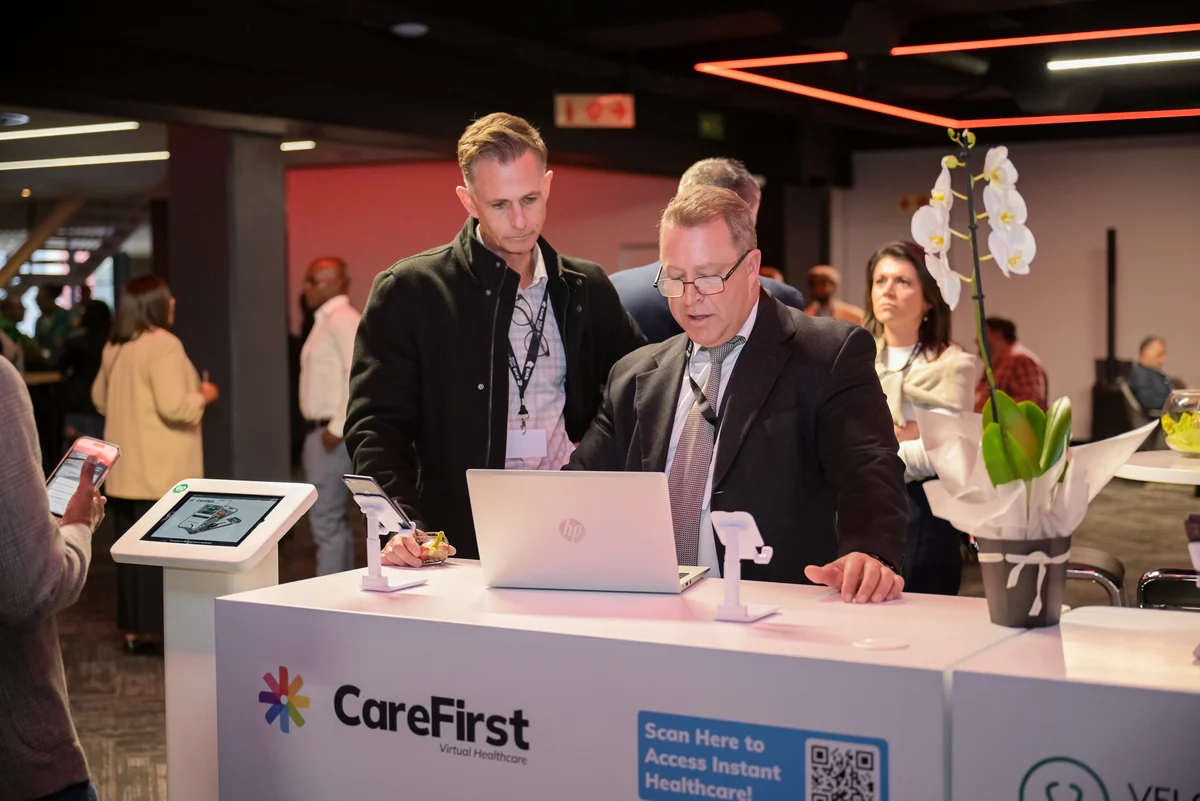
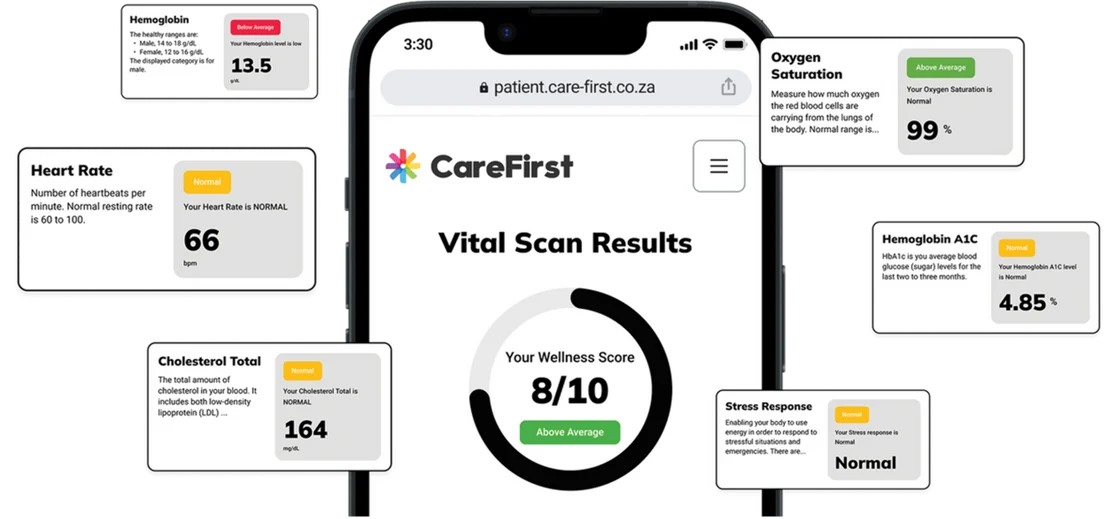
With platforms like CareFirst and Hospital at Home, we’re delivering care virtually through advanced monitoring tools and wearables.
Robotic process automation(RPA)
Systems such as CareFlow are helping to streamline back-office operations, reducing pressure on healthcare professionals.
Blockchain and cybersecurity
These tools are safeguarding patient data while enabling greater transparency and interoperability across health systems.
Digital therapeutics, VR/AR and genomics
Technologies like facial biomarker screening, immersive simulation training, and precision genetics are pushing us toward proactive, rather than reactive, care.

A personal lens on innovation
At First Care Solutions, we are already putting these technologies to work—across emergency units, virtual care platforms, and clinical training environments. Some of our current innovations include:
• Smart manikins for high-fidelity simulation training
• Augmented reality glasses for fire and emergency scenarios
• AI-driven dermatology and facial biomarker screening
• Automated credit control and predictive analytics
• Smart glasses and ambient scribe tools to lighten clinical documentation loads
From robotic doctors to e-prescribing and real-time monitoring, these tools are improving the quality, safety, and speed of care. The results speak for themselves faster diagnoses, safer consultations, and better patient engagement.
A call to action for Africa
Africa faces an acute shortage of healthcare professionals. For example, fewer than 5,000 dermatologists serve over a billion people. In this context, technology isn’t a luxury—it’s a necessity.
The opportunity presented by AI in healthcare is unprecedented. We can choose to see it as the dawn of a new era or risk being left behind.