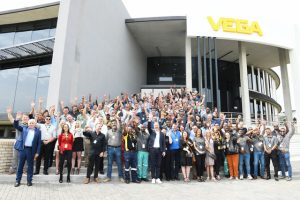
This October, South Africa is going green for mental health. On 10 October, the world marks World Mental Health Day, and SADAG (the South African Depression and Anxiety Group) is calling on everyone (families, schools, workplaces, and communities) to join the #GoGreenForMentalHealthcampaign.
In a country where only 1 in 10 people living with a mental illness have access to treatment, going green is a bold and visible way to say: mental health matters, it is a human right, and there is no shame in asking for help.
Light it up green
Whether it’s a green scarf at work, ribbons on a school fence, balloons in a shop window, or a building glowing green at night, every gesture matters. Each one is a symbol of hope, care, and solidarity with the millions of South Africans living with mental health challenges.
To raise funds SADAG is selling green ribbons available for just R10 each. Every ribbon purchased helps to keep SADAG’s Suicide Helpline open 24/7, answering over 2,500 calls, messages, and emails each day.
SADAG has also created a digital kit to ‘paint’ your social media feeds green.
Take the Mental Health Pledge
This year’s theme (Together for Mental Health) calls on everyone to play a part. SADAG is encouraging South Africans to take the Mental Health Pledge, a personal commitment to treat mental health as a universal human right, to break stigma, and to support one another.
Every contribution counts
Donations keep SADAG’s free services running. JustR50 covers three counselling calls, R100 prints 50 brochures, R500 funds three support groups for a month, R1 000 keeps the WhatsApp helpline online, and R2 000 enables suicide prevention school talks.
Every rand is a lifeline: someone heard, someone supported, someone reminded they matter.
Tools to support each other
This campaign is also about giving people practical resources. Our Mental Health Safety Plan helps individuals prepare for difficult moments by listing triggers, coping strategies, safe spaces, and reasons to keep going.
To support open conversations, SADAG has also created an ‘Unlocking Mental Health Language’ glossary, which makes complex terms like “neurodivergence” or “psychosis” easier to understand and discuss, further helping break down stigma.
Knowledge that empowers


 3 min read
 4 min read