The ‘invisible load’ of the South African professional
6 min read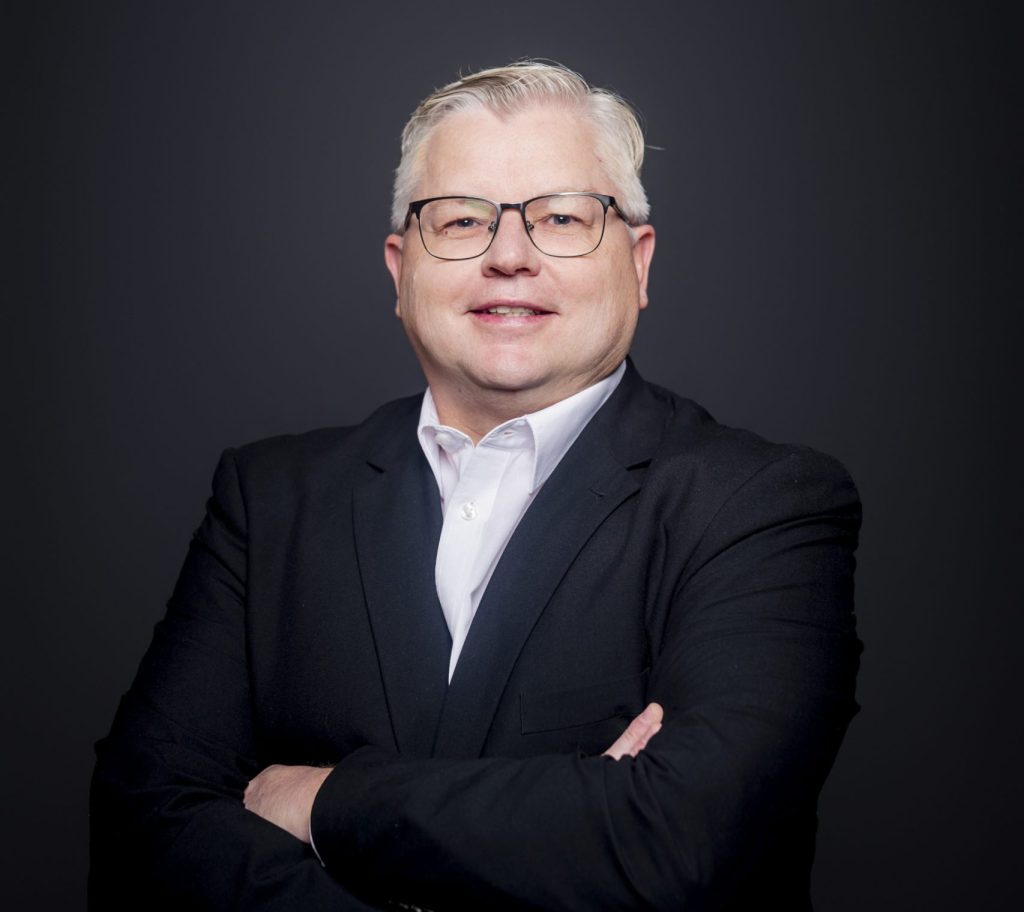
The average South African professional employs eight other individuals, constituting one of the biggest sources of employment in the country. As young professionals progress through their careers, stepping into more senior roles or building their own businesses, the responsibility of managing more people extends far beyond their job titles.
When you consider that most employed South Africans support several family members, it becomes clear just how significantly professionals help empower the economy. Their success ripples through households and communities in ways that are difficult to quantify and, as a result, often underestimated. Professionals remain uniquely placed to start business and many are true skilled entrepreneurs fitting smartly into the small and medium enterprises that are central to growing the South African economy.
This is just one dimension of the invisible load and incredible responsibility that South Africa’s professionals carry. Most have sacrificed huge amounts in terms of studying and working hard to get to where they are, often supported by their families and communities along the way. They are typically go-getters who want to make the biggest difference they can, which naturally places them in management, senior leadership or entrepreneurial roles.
There is, however, a consistent pressure on these high performers to not only fulfil their own potential but also continuously improve the communities around them. Many are not simply focused on what they can get out of the market; they are committed to putting back into the same communities they come from.
This plays out in mentorship, in supporting young professionals and entrepreneurs, and in creating opportunities for others to grow. There is a clear pattern of paying it back, or paying it forward, which adds another dimension to the invisible load. Professionals are balancing business growth, employee wellbeing, family responsibilities and community expectations – often all at once.
Over time, pressure builds in ways that are not always visible, but deeply felt. One of the clearest consequences is how professionals approach their own health. They spend far more time studying and working and are heavily invested not just in their own career progression but in the success of their businesses. In the process, they often forget to look after themselves, often paying themselves last or taking on significant personal debt when economic conditions get worse.
This creates an additional layer of risk. A successful career combined with health-related challenges will inevitably hamper performance. Yet, despite this, healthcare decisions are often delayed. The reasons are both practical and behavioural.
On a practical level, the cost of living continues to place pressure on professionals. Many are trying to build businesses while looking after a broader employed grouping, which means healthcare decisions are sometimes postponed in favour of more immediate financial priorities.
At the same time, there is a behavioural element, particularly among younger professionals. There is a tendency to think of themselves as superhuman, taking the risk of covering healthcare expenses out of pocket or relying on limited, more affordable products that focus on basic primary healthcare.
This approach is becoming increasingly unsustainable. There is growing evidence of health needs presenting earlier in life. Mental health-related conditions are requiring more support including specialist consultations and long-term medication. There are also earlier onsets of serious illnesses, which challenge the assumption that comprehensive healthcare can wait.
A shift in mindset becomes critical, and where initiatives like BeRemarkable are intentionally designed to intervene. Rather than positioning healthcare as a medical scheme product decision, the platform is built to start a conversation, inviting Profmed members to share the realities behind their journeys: the long nights of studying, student loans and many of the setbacks that no one sees, and the responsibility that comes with success.
The idea is simple: When professionals speak openly about what it takes to build a life and protect it, others listen. Being remarkable, in this context, is not only about professional success. It is about how individuals use their position to uplift others, whether through mentorship, education or shaping the communities around them.
But it is also about balance.
Being remarkable means being able to balance the pressures of work, career, family and community, while also making healthier decisions. It includes having the right healthcare cover, maintaining a healthy lifestyle and taking proactive steps to protect long-term wellbeing.
Normalising proactive health planning is essential for securing South Africa’s economic future. Healthcare should not be seen as something that only becomes urgent when something goes wrong, but as part of long-term career and life planning.
The National Health Insurance debate correctly links economic health with the health of all South Africans. When more South Africans access structured, appropriate healthcare cover, it not only protects individuals and their families but also reduces pressure on the broader healthcare system.
Ultimately, South Africa’s professionals play a critical role in driving economic growth, employment and community development. The invisible load they carry is unlikely to diminish. If anything, it will continue to grow as their influence expands.
The opportunity lies in managing that load more sustainably. By shifting mindsets, encouraging earlier decision-making and reinforcing the link between proactive healthcare and long-term success, we can ensure South Africa’s professionals are not only remarkable in what they achieve but resilient enough to sustain it over time.
Craig Comrie
CEO