The little-known role of veterinarians in supporting South Africa’s economy
7 min read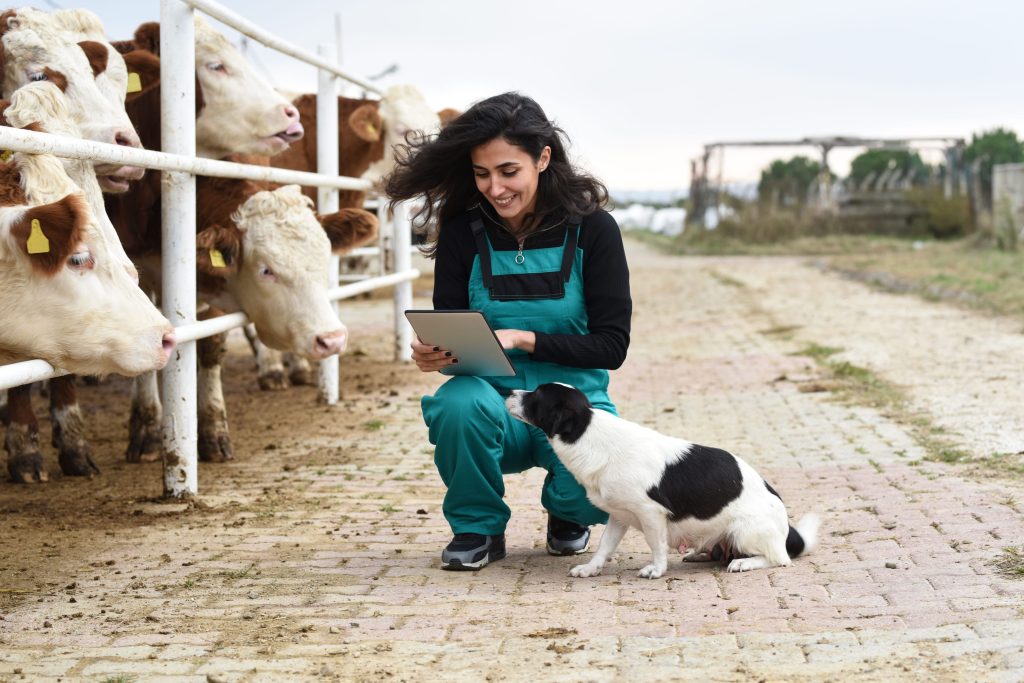
Veterinarians are known for treating sick pets, but their role extends far beyond the clinic: from protecting beloved pets to safeguarding food systems and public health.
Human health and animal health are inextricably linked, and veterinarians are the custodians of that bond at both industry level and in the home.
Prevention as the first line of defence
Disease outbreaks place a massive burden on the healthcare system – and as witnessed with the COVID-19 pandemic, can be devastating to the economy. Pets that are not properly cared for can pose a health risk to other animals as well as humans by carrying diseases and parasites.
“Preventing disease is always better than trying to manage it later,” says Dr Tarryn Dent, a veterinarian and business unit director: Companion Animals at Zoetis South Africa. “I see every day how prevention makes a difference. Strong preventive care across all animals builds a much healthier, more resilient system overall. It protects not just animals but people and the broader food chain as well.”
For livestock, the stakes are even higher.
Dr Ralf J. Patzelt, business unit director: Livestock at Zoetis South Africa, notes that disease prevention is the backbone of food security. “Every rand spent on prevention saves multiples in treatments, mortalities, movement bans and lost trade.”
South Africa’s newly introduced national vaccination strategy against foot and mouth disease is a prime example of long-term thinking designed to safeguard food supply.
Herd health and affordable food
Healthy herds don’t just mean healthier animals; they translate directly into affordable food for households. When cattle, sheep, pigs or poultry are disease-free, they convert feed more efficiently and suffer fewer losses. That lowers the cost per litre of milk or kilogramme of meat, stabilises supply and reduces price shocks.
For lower income households, this stability is critical. It ensures nutritious food remains accessible, even when global markets are volatile. In this way, veterinarians are not only protecting animals but also helping shield families from the ripple effects of disease outbreaks.
Safeguarding export markets
South Africa’s agricultural exports are a cornerstone of the economy. But international trade depends on strict sanitary and phytosanitary standards. Veterinarians are the ones who translate those requirements into practical herd health plans. They oversee vaccination programmes, certify health status and ensure compliance with residue limits.
Patzelt stresses the importance of collaboration: “We need a partnership between state veterinarians, private practitioners and industry to stay audit-ready and keep export markets open. Without this vigilance, outbreaks could close borders overnight, costing the country billions and undermining its reputation as a reliable supplier.”
Public health and community safety
The role of veterinarians in public health is often overlooked. Rabies, for example, remains one of the biggest concerns in South Africa. “It’s something I don’t think we can talk about enough because it’s preventable but still very real,” says Dent. “Alongside that, we see a lot of tick-borne diseases that are a significant concern for pet health, especially depending on the region.
“What’s often underestimated is how closely pet health and human health are linked,” she adds. “Simple things like vaccinations and parasite control aren’t just about individual pets – they’re part of a much bigger public health picture.”
Dent says responsible pet ownership is a shared responsibility, and it plays a big role in keeping communities safe. “This is where the conversation shifts from ‘my pet’ to ‘our community’.”
Supporting small-scale farmers
Veterinarians play a crucial role in supporting small-scale and emerging farmers, who form the backbone of rural economies. Practical, high-impact protocols such as basic biosecurity, correct vaccination timing and parasite control can make a significant difference in productivity.
Zoetis provides medicines, vaccines as well as training at farmer meetings, paired with simple record-keeping tools to track progress. These interventions help farmers protect their herds, improve yields and participate more fully in local and national markets.
Learning from outbreaks
South Africa has faced its share of animal health crises. “Top of mind are foot and mouth disease, with a shift to a national vaccination approach; African swine fever in pigs; and seasonal avian influenza risks in winter,” says Patzelt. “Endemic tick-borne diseases and internal parasites continue to erode productivity, and antimicrobial resistance remains a cross-cutting risk.”
Each outbreak has been a costly reminder of the importance of preparedness, and veterinarians are at the forefront of putting those preparations in place. They have learnt to tighten movement controls, improve zoning and traceability, and deploy rapid vaccination where appropriate.
Just as importantly, they’ve recognised the importance of communication. “We’ve learnt that clear, timely communication with farmers is as critical as laboratory capacity,” says Patzelt.
These lessons shorten response times and keep value chains moving, even under pressure.
Collaboration builds resilience
Resilience in agriculture is not built by veterinarians alone, however. It requires collaboration across the value chain.
“Resilience is a team sport. Veterinarians bring science and surveillance; farmers bring early reporting and biosecurity; and the government enables labs, policy and co-ordinated responses,” says Patzelt.
Shared information systems, simulation exercises and public-private vaccine programmes all help shorten response times and strengthen the country’s ability to withstand shocks.
One Health: Connecting animals, people and the environment
Ultimately, the work of veterinarians is about more than animals. It is about the interconnectedness of animal, human and environmental health – a concept known as One Health.
By investing in prevention at farm level, veterinarians deliver quick, equitable gains in food security. By promoting responsible pet ownership, they protect communities from zoonotic diseases. And by ensuring compliance with export standards, they support South Africa’s growth story.
Patzelt concludes: “Recognising veterinarians as essential to One Health aligns animal, human and environmental outcomes, and supports South Africa’s agricultural growth story.”
Veterinarians may not often be thought of as economic players, but their impact is undeniable.
Says Dent: “For me, World Veterinary Day is about recognising that veterinary care goes far beyond the clinic. It touches public health, community wellbeing and the human–animal bond. I feel quite strongly that prevention is where we can make the biggest impact – and it’s something we all share responsibility for, whether you’re in the profession or a pet owner at home.”