Future skills for future travellers: New jobs emerging in hospitality
8 min read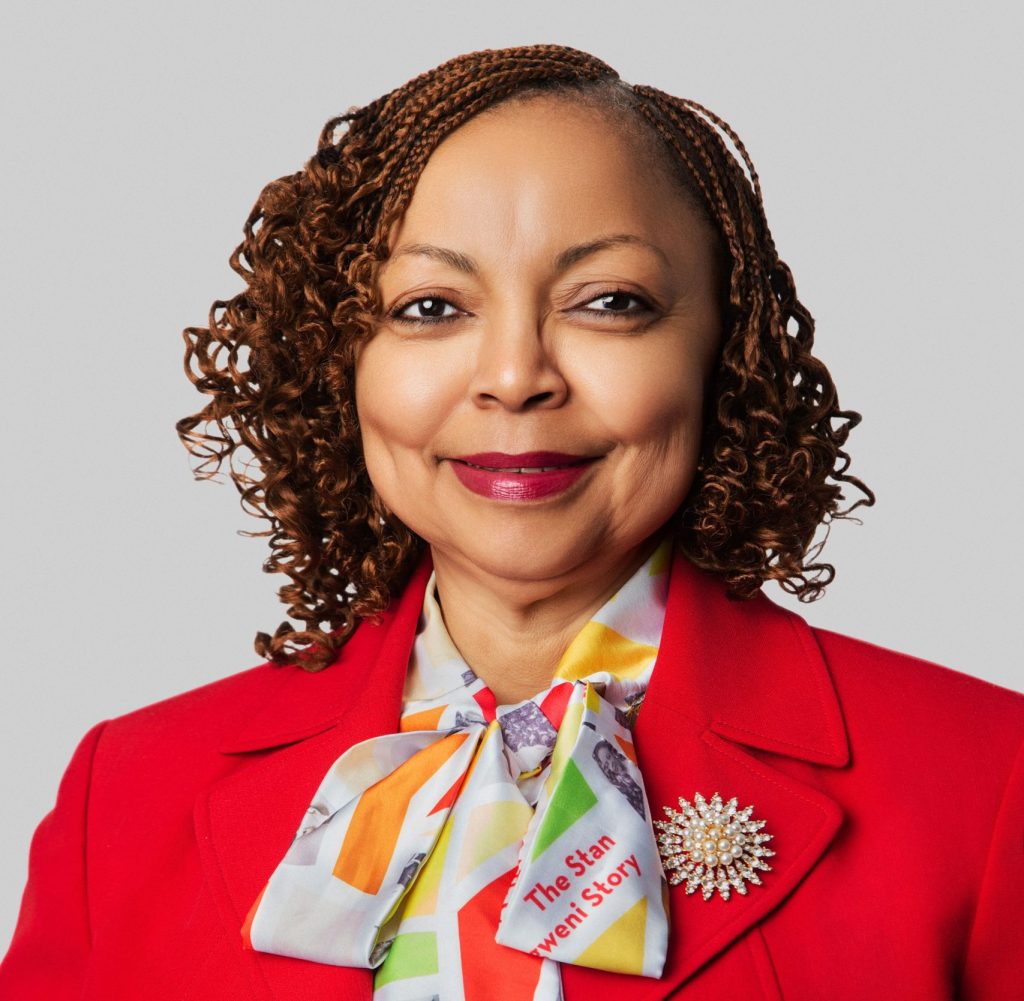
South Africa’s tourism industry is entering a period of rapid reinvention, driven by shifting traveller expectations, digital evolution, sustainability demands and a growing appetite for locally rooted experiences.
As this transformation accelerates, City Lodge Hotels chief operating officer Lindiwe Sangweni-Siddo is calling on the sector to reimagine the qualifications and roles needed to prepare the next generation of hospitality professionals.
“We are moving into an era where traditional job descriptions are no longer enough,” she says. “The modern traveller wants meaning, connection, authenticity and seamless convenience. That means our people need new skills – and in some cases, entirely new kinds of roles.”
Matric essential for career growth
According to the World Travel & Tourism Council’s latest Economic Impact Research released in May 2025, travel & tourism was forecast to support 1.9 million jobs in South Africa in 2025, accounting for 11.3% of all jobs.
City Lodge Hotels affirms its commitment to building a future-ready workforce by setting matric as the minimum entry requirement for all recruitment. This standard provides a strong foundation for sustainable employment and career growth, ensuring team members have the skills and confidence to advance and pursue further learning opportunities.
“Matric is not a barrier, it’s a lifeline,” says Sangweni-Siddo. “It opens doors to growth, giving young people the foundation to pursue further studies, specialise in their chosen fields and build careers that can take them anywhere. Many of our colleagues began their journey with matric and have successfully progressed through the ranks.”
Changing traveller, changing industry
Global tourism is evolving rapidly, with travellers increasingly blending physical visits with virtual and digital experiences – a trend known as blended tourism. Guests now combine in-person stays at hotels, attractions and natural sites with live-streamed events, virtual reality and augmented reality (VR/AR) tours, online workshops and real-time connections via apps – creating a hybrid travel experience.
Blended tourism offers flexibility and accessibility, especially when time or budgets are limited, while supporting sustainability by reducing overcrowding and lowering carbon footprints in high-demand destinations like Cape Town or the Kruger National Park. It also enhances guest experiences through AR-guided tours, virtual museums and cultural events that can be enjoyed from the comfort of a hotel or even after returning home.
A popular example is an online cooking class with a local chef, allowing travellers to immerse themselves in authentic culture without leaving their accommodation.
“Great accommodation facilities and personalisation are no longer optional – they’re essential,” says Sangweni-Siddo. “Blended tourism gives us the opportunity to meet these expectations by creating experiences that are flexible, sustainable and deeply connected to local culture.”
Another key trend reshaping travel post COVID-19 is bleisure: the seamless blend of business and leisure. Increasingly, travellers extend work trips with a few days of relaxation and cultural exploration, turning business travel into a richer experience. Popular activities include museum visits, food tours and wellness escapes at spas, while culinary adventures range from street food festivals to locally inspired menus. These experiences ensure guests leave with lasting memories of a destination, even when their primary purpose for the visit was business.
Insights from UN Tourism, Skift Aviation Forum and Booking.com confirm that today’s travellers are more curious, conscious and experience-driven than ever, which shapes the future roles and skills required in the hospitality industry:
Authenticity and connection
Guests seek meaningful interactions with culture, people and place. Hotels are increasingly drawing attention to locally curated neighbourhood walks, heritage destinations and story-led guest interactions delivered by staff who understand their communities deeply.
“South Africans are naturally hospitable,” notes Sangweni-Siddo, “and our teams simply need to channel that proudly. Guests want us to be ourselves – warm, real, local.”
Sustainability as standard
“In hospitality today, every team member needs basic sustainability literacy – it’s not a trend, it’s a global expectation,” Sangweni-Siddo notes. From cage-free eggs to waste reduction and electric vehicle charging stations at select hotels, sustainable processes are integrated into operations at City Lodge Hotels.
Digital convenience
The rise of mobile check-in, apps, smart TVs and online guest journeys requires staff who can operate confidently in digital-first environments. Also, the world of technology is growing in leaps and bounds, making staying up to date a competitive advantage.
Wellness, personalisation and culinary discovery
Travellers are seeking tailor-made itineraries, wellness touchpoints and local gastronomy experiences, opening opportunities for new specialisations in dining, cultural engagement and wellbeing facilitation.
Safety, adventure and micro-cations
Transparency in safety, flexible work-travel options and nature-based micro-getaways continue to shape guest behaviour.
New roles in hospitality
To meet these evolving trends, Sangweni-Siddo identifies several emerging job categories for which hospitality businesses should start preparing – roles designed to deliver authentic experiences, embrace sustainability and integrate digital convenience into every guest interaction.
- Cultural storytellers – professionals trained to share the history, art and identity of local communities, ideal for humanities or anthropology graduates.
- Gastronomy experience specialists – culinary guides who curate local food journeys, tastings and storytelling-based menus.
- Sustainability-inclined chefs – chefs who prioritise local sourcing, low-waste kitchens and transparent supply chains.
- Digital experience co-ordinators – staff who support online check-ins, digital concierge tools and personalised communication.
- Wellness hosts – team members who help guests recharge through nature immersion, movement or reflection.
- Experience designers – hospitality creatives who craft curated itineraries and bookable micro-experiences.
- Social media curators – professionals who understand visual storytelling and help create ‘shareable’ guest moments.
“These roles build on the heart of who we are – people caring for people – while adding new layers of expertise to meet the expectations of today’s traveller,” explains Sangweni-Siddo. “As an industry, we must collaborate on innovative training pathways, embrace micro-qualifications and update recruitment standards to prepare South Africa for a fast-changing visitor landscape. By investing in staff readiness, we will empower our teams to lead this industry into the future with confidence, pride and global relevance.”
She adds: “Reimagining career development in hospitality and tourism is essential to delivering on evolving guest expectations. By adopting an adaptable and visionary approach, South Africa can reposition itself as a preferred destination and secure a competitive edge in the global market.”
As a Hostex 2026 Ambassador, Sangweni-Siddo urges the industry to visit Africa’s iconic food, drink and hospitality expo being held from 8 to 10 March 2026 at Sandton Convention Centre in Johannesburg to check out the latest products, services, brands and ideas on show.
“Events like these are where creative energy thrives. You’ll meet industry leaders, immerse yourself in new ideas and discover a world of possibilities,” she concludes.