In disruption, our greatest asset is talent
6 min read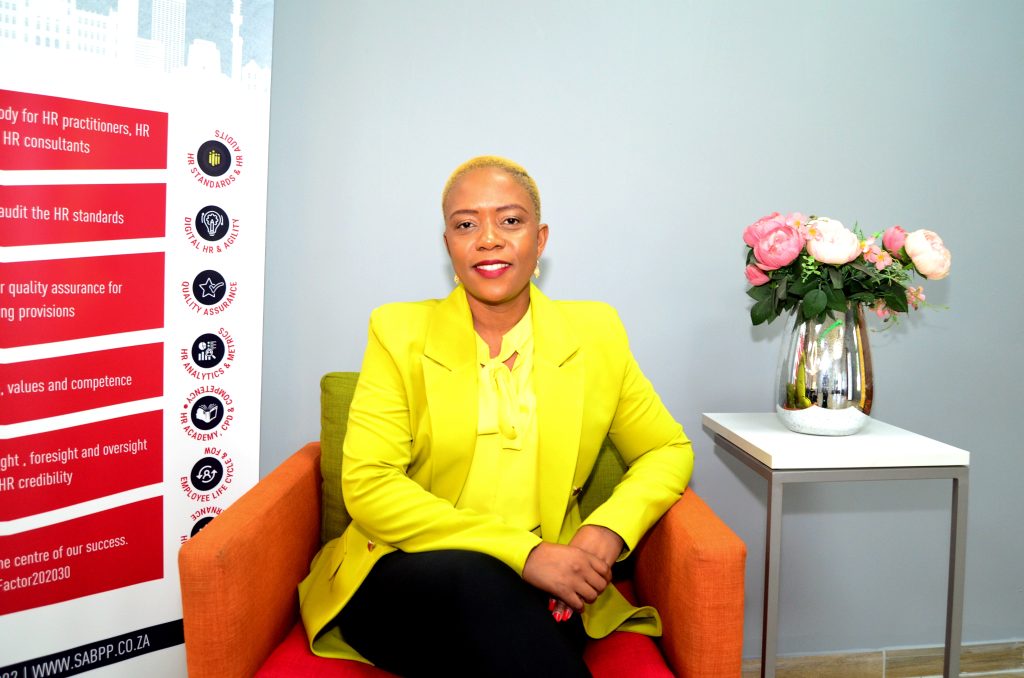
Yvonne Mosadi
By Tshepo Yvonne Mosadi, Chairperson at the South African Board for People Practices, and Chief People Officer at Daybreak Foods
In today’s business environment, change continues to remain a constant, with leaders finding themselves having to navigate a minefield of complexities. These endless challenges include rapid technological advancements, unpredictable consumer trends, shifting tides of geopolitics, international economic issues, and the rising prominence of environmental, social, and governance (ESG) practices.
Yet, amidst these persistent concerns, there exists an equally formidable challenge that can be easily overlooked for other pressing issues, and it is mastering the art of talent management in an era where people are a company’s greatest asset.
A study by McKinsey has revealed that 87 percent of companies believe they have skill gaps, or expect to have them within a few years. This is a critical matter that calls for organisations to proactively re-evaluate their talent management strategies. They must prioritise upskilling, monitoring, and managing their entire workforce, particularly as technological advancements continue to reshape the inner workings of organisations.
As an HR leader with decades of experience, I firmly believe that talent management is critical to the success of organisations in a complex era.
Communication is not an option
If there is one thing that COVID-19 taught us, it is that during disruptions, employees want to be kept informed about decisions taken within the organisation. Most importantly, dialogues are more effective than the traditional top-down communication. Employees want to be part of the bigger discourse, and the conversations must be transparent.
Keeping employees in the loop does not mean giving them instructions and expecting no feedback. Organisations must make it a habit to invite employees to share experiences, ideas, and solutions. By taking this approach, employees gain a deeper sense of appreciation for the value they bring to the organisation’s wellbeing, while actively fostering positive change.
Reskill or be left with skills gaps
Disruption in the workplace is here to stay, thanks to the rapidly evolving technological landscape. According to the World Economic Forum’s Future of Jobs Report for 2025, job disruption is projected to impact 22 percent of roles by 2030. This shift is expected to result in the creation of 170 million new positions, while 92 million jobs will be displaced, culminating in a net growth of 78 million jobs.
In light of this, talent managers face the critical task of implementing frameworks, including those aimed at guiding reskilling efforts, to ensure that employees’ skills and roles are aligned with the requirements of the rapidly evolving business landscape. Reskilling can ensure that the organisation has the necessary skills, especially during a crisis that could not be anticipated. Also, current employees are likely to stay with an organisation when they are empowered with new skills and roles.
Make purpose the anchor
Gone are the days when jobs were just jobs. Today’s workforce, especially millennials and Generation Zs, want to know what a company stands for. They want their work to mean something. According to Deloitte’s 2024 Gen Z and Millennial Survey, purpose is key to workplace satisfaction and well-being, and this is based on the 86 percent of Generation Zs and 89 percent of millennials who were polled.
Organisations must make the conscious decision to embed their social impact goals into their business strategy; this not only makes talent management sustainable, but it makes them look better to society. Purpose brings clarity, it connects people to something greater and drives long-term loyalty. Companies that fail to offer meaning will lose people, not just to competitors but to disengagement and quiet quitting.
Don’t neglect leadership, managers, and supervisors
In a fast-paced and highly pressured business environment, those at the forefront of navigating the organisation out of challenges can be left burnt out physically and psychologically. This, in turn, can affect the quality of their work, leading to the inability to make critical decisions about the future of the organisation and to communicate with employees honestly and openly.
The truth is, while we consistently develop agile strategies to tackle challenges, we often overlook the importance of proactively equipping leaders with the mindset and behaviours needed to navigate these challenges effectively. This highlights the necessity for providing leaders with regular coaching support to enhance their performance in complex situations. They must be capable of coaching, managing, and maintaining clear and effective communication with employees, particularly during challenging times.
In conclusion, while complexity and uncertainty have become the new normal, they also bring vast potential. As leaders, it is our duty to embrace opportunities, even amidst adversity. This involves being strategic and intentional in how we manage people within organisations. Much like orchestra conductors, we hold the power to unify and harmonise the diverse talents of our teams, crafting a symphony of success together.