More people, more waste: Can our infrastructure keep up?
5 min read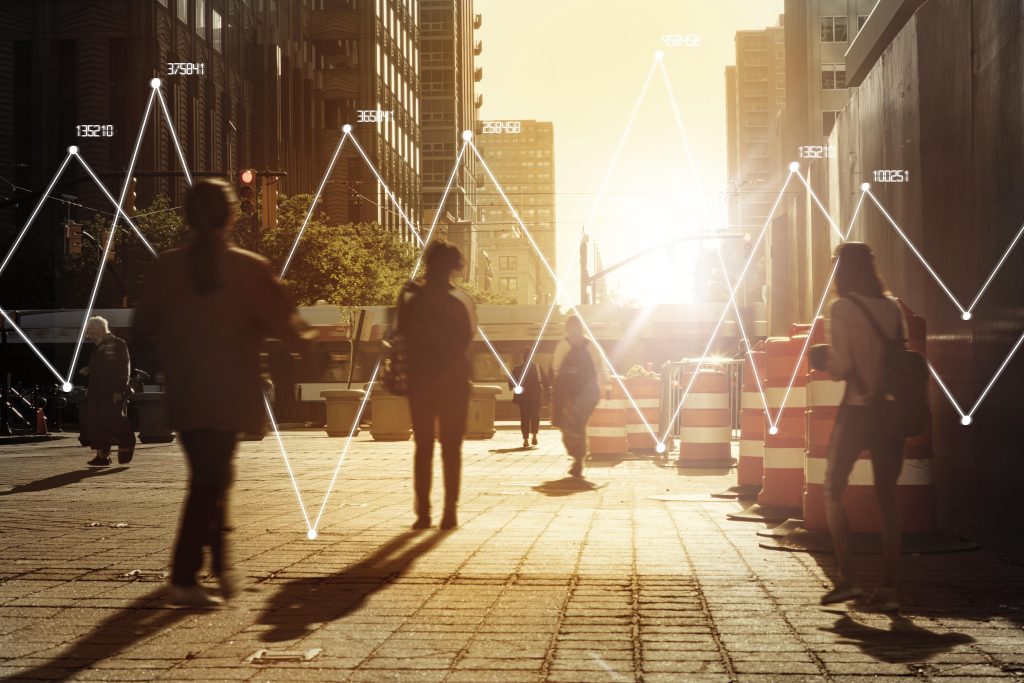
According to the UN, the current global population projection growth of 7.4bn is rising to 8.5bn by 2030, to 9.7bn by 2050 and over 11bn by 2100. This will not only put pressure on natural resources but will also place increasing demand on healthcare and infrastructure will be felt.
The world generates over 2 billion tons of municipal solid waste annually, and this is expected to increase by 70% by 2050. Highlighting and successfully addressing this head on means progress around global climate, pollution, and biodiversity-loss crises, can be achieved through addressing the waste conundrum. However, we have to act NOW!
The South African context
With a population of over 60 million citizens, roughly 122 million tonnes of waste per year, equating to roughly two tonnes per person per year, is being generated. A maximum of 10% of this is recycled or recovered for other uses, meaning at least 90% ends up in landfills or illegal dump sites. Landfill sites are reaching capacity, and most municipalities have not been able to commission new ones.
However, it is not just solid waste that is putting pressure on the environment – other essential resources such as water are also under strain and will continue to be impacted as our population grows. The National Water and Sanitation Master plan outlines that the demand for water will exceed the available supply by between 1,6 billion and 2,7 billion cubic meters by 2030. This, coupled with the fact that 7 of the 13 major water systems in South Africa are predicted to be in deficit by 2040, means that as a country we are in dire need of a sustainable water resource recovery and management plan and urgent action must be taken.
Our water shortage challenges are not only related to usage, but the bulk of our water loss is also due to leakages and aging infrastructure. Nationally, we lose 40.8% of the water piped through our infrastructure to pipe leaks, while fluctuations in pressure worsens the situation by leading to bursts.
The roadmap to change
While the threat of a growing population is placing a burden on resources, it also presents an opportunity – to develop innovative sustainable strategies that will be part of the solution.
We need to shift from the traditional linear production process – the take-make-dispose model – towards one that aims to reduce all unnecessary waste materials, reduce the consumption of energy and raw materials and, where there is excess, to feed this back into the cycle. This is the definition of the ‘Circular Economy’ model, where waste created in one industry is re-purposed for use in other areas of industry and the economy, and where disposal is the final option, rather than the immediate go-to.
Without a doubt the waste sector plays a fundamental role in meeting the country’s Sustainable Development Goals (SDGs), tackling not one, but at least 6 of the 15 goals in total. Goals 6 (Safe water), 7 (Clean energy), 13 (Climate action) and 11 (Sustainable cities) being the most prominent in this regard. In fact, it is an integral part of these goals – where, taking the circular economy thinking into account where waste reuse and repurposing is fundamental to not only meeting these objectives but very importantly, is central to addressing environmental impact and growing ESG targets globally.
This merely means looking deeper than the obvious solutions and finding ways to unilaterally work together to ensure such solutions become viable and cost effective, and to ensure that we drive an understanding in communities as to the vital importance of such innovations in meeting South Africa’s challenges and being part of the change. Not only does proper waste management ensure that we can reuse and repurpose the growing mound of waste, but it ensures that where waste cannot be repurposed/recycled, it can be – as a last resort – sent to landfill – but done so properly.
However, we have a conundrum where business, communities, individuals and government all need to take greater collective responsibility and awareness of the potential of well-managed, compliant, and innovative waste management solutions. The reality though is that with a growing population, and with each person generating around 2 kgs of waste per day, we are heading towards a waste disaster if we don’t start creating solutions and ensuring that all parties are educated as to why effective waste management is so important and taking real action today!
Image credit: Freepik