Retirement isn’t the end – it’s the start of your next act
6 min read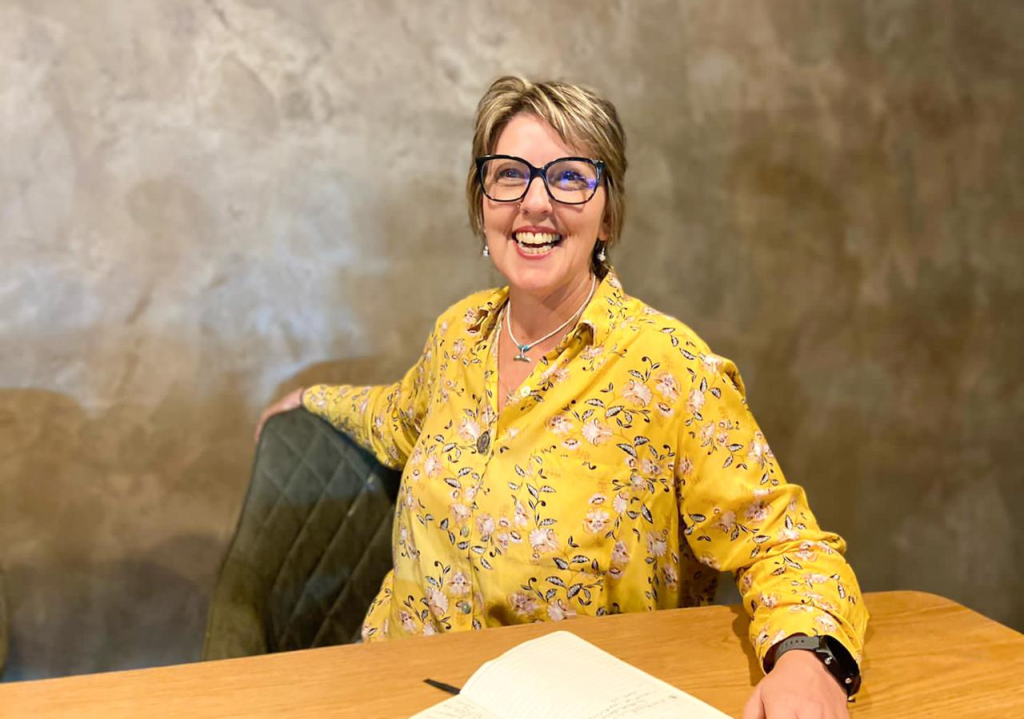
For decades, retirement has effectively been seen as the end of productivity, purpose, and professional relevance in the workplace. But, as more people live longer, stay healthier, and crave meaningful engagement, that narrative is becoming painfully outdated, and more than that, harmful.
Dori Moreno, a growth strategist specialising in the development of individuals, teams and businesses, suggests that it is time to reframe retirement, not as an exit, but as a reinvention.
The retirement model is broken
The long-standing retirement model was built for a very different time. A time when life expectancy barely scraped past 60, and work was physically gruelling. But today, many of us will live well into our 80s. In South Africa, life expectancy is already around 64 for men and 69.6 for women, and the 60+ population stands at over 6.1 million, nearly 10% of the country. That’s an entire third of our lives post-career that is simply too long to spend disengaged, and too valuable to our economy to waste.
Yet most South African corporates still treat retirement as a hard stop, rooted in mid-20th century ideas of age and productivity. There’s little emotional preparation, minimal identity support, and almost no structured pathways for continued contribution. Yes, we’re preparing people financially, but not psychologically, socially, or purposefully.
And that’s a problem. Because when people retire without a plan for who they’ll be, not just what they’ll do, they often feel lost. Even those with healthy savings can find themselves adrift without structure, community, or meaning.
Why does this matter to business?
South Africa is facing a dual challenge: a youth-heavy population and a growing cohort of older adults. And yet, we’re letting institutional knowledge, mentorship capacity, and crisis-tested leadership walk out the door without a plan to retain or repurpose it.
The opportunity is clear: age-inclusive organisations will outperform. Companies that offer phased retirement, returnships, advisory pools, and flexible work will hold a competitive edge in continuity, innovation, and resilience.
Consider this: OECD research shows age-balanced teams drive productivity and innovation, while intergenerational mentoring improves retention and knowledge transfer. And globally, the average founder of high-growth firms is around 45, with 50-year-olds twice as likely to build successful startups as 30-year-olds. This tells us that age isn’t a liability, it’s a strategic asset.
Imagine the power of reverse-mentoring programmes that pair digital-native Gen Zs with seasoned professionals. Or internal venture labs where older employees can test entrepreneurial ideas. Or supplier development pathways that link retirees into the company’s value chain. These aren’t “nice-to-haves”, they’re strategic levers for growth.
The individual shift: from fear to reinvention
For individuals, the shift starts with mindset. Too many people still see retirement as an ending; a moment when their employer decides they’re no longer needed. That fear shuts down imagination. It keeps people focused on the number in their bank account, rather than the values that drive them.
But here’s the truth: midlife isn’t the sunset, it’s prime time for starting something new.
But still, fewer than 1 in 10 South Africans can retire comfortably. Let that sink in for a minute – that’s only 6% of the population – a frightening number. And many will cash out their savings when changing jobs. That tells me we’re over-focused on the money, and under-investing in what really sustains us: purpose, identity, and meaningful social roles.
The key is to start early. At 40, not 60. Begin building what I call a “Portfolio of Roles”, a mix of identities that reflect your values and strengths. Mentor. Maker. Volunteer. Coach. Learner. These roles give structure and meaning long after the job title fades.
What does a well-prepared retirement look like?
A truly modern retirement isn’t just about money. It’s about being:
- Financially literate: Understand the Two-Pot system, manage withdrawals wisely, and plan for longevity.
- Identity-ready: Have 3–5 meaningful roles already in play, with a transition plan to execute.
- Socially embedded: Join mentoring circles, communities of practice, or social projects.
- Health-anchored: Maintain routines that sustain energy and vitality.
- Work-optional, work-ready: Step into advisory, portfolio, or passion projects that keep you solvent and relevant.
This isn’t about working forever. It’s about having the choice, and the confidence, to contribute in ways that feel aligned and energising.
A call to action for employers and employees
To South African corporates: stop seeing retirement as an exit. Start seeing it as a pivot point. Build structures that retain wisdom, ignite intergenerational collaboration, and support identity transitions.
To individuals in their 40s, 50s, and 60s: don’t wait for someone else to define your next chapter. Start now. Get curious. Get clear. And build a life that reflects who you are, not just what you used to do.
Because retirement isn’t the end, it’s the start of your next act; and it might just be your most powerful one yet.