Why processing is the food security lever southern Africa keeps ignoring
4 min read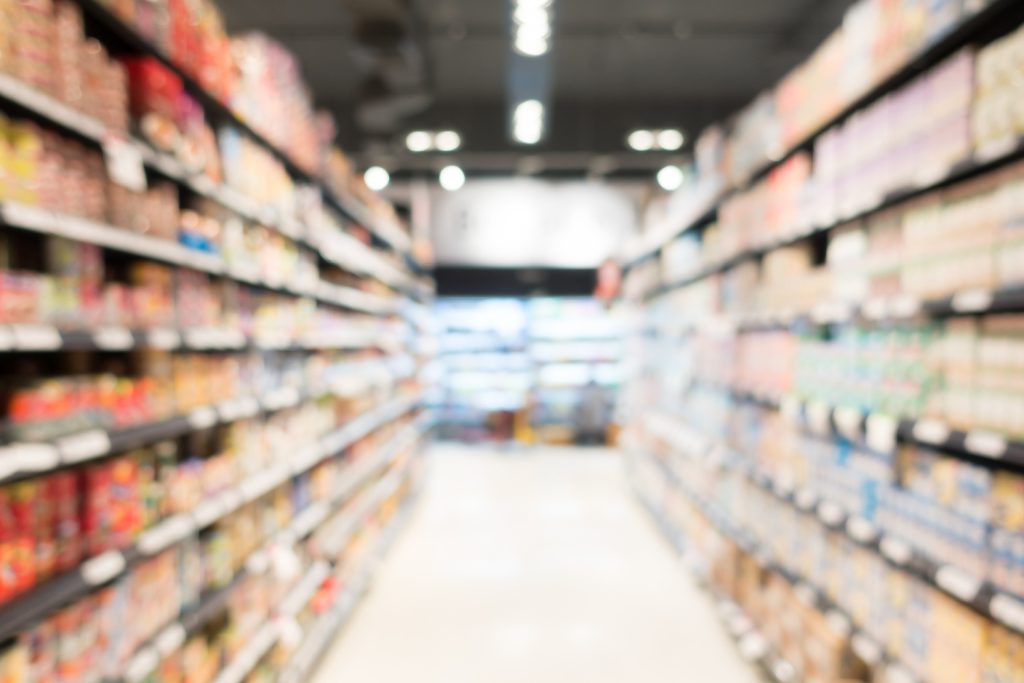
Southern Africa does not have a food production problem. It has a food system problem.
More than 87 million people are facing hunger in East and southern Africa. Yet, the region grows enough food to feed itself. The problem is not at the farm. It is everything that happens after: the processing gaps, the storage failures, the logistics breakdowns that consume food long before it reaches anyone. Fix the wrong thing and the hunger numbers do not move.
More than 30% of food produced in southern Africa never reaches a consumer. For perishable goods, the figure is even higher: Up to 37% is lost in transit because of delays, poor roads and fragmented cross-border trade. That is a region losing a third of its food before anyone gets to eat it.
When food insecurity is the problem, the answer is usually: grow more. But a region that already loses a third of what it grows does not need more production. It needs better processing.
Processing turns perishable food into shelf-stable products. It reduces waste, extends the useful life of food, and makes it possible to move product across long distances without spoilage. Stronger processing infrastructure means farmers get better returns, supply chains become less fragile, and price spikes driven by seasonal shortages ease. It also creates jobs – in facilities, in logistics, in quality management – that farming alone does not generate.
There is also a trade dimension. Processed goods are easier to move across borders than fresh produce. They have longer shelf lives, lower spoilage risk and are less vulnerable to the delays that routinely affect cross-border freight in the region.
A country with stronger processing capacity is a country with a more competitive export position, not just a more stable domestic food supply. Processing is where food security is either secured or lost.
The technology exists and has improved considerably. Modern aseptic processing and packaging allows dairy, juice and liquid food products to be preserved without refrigeration for extended periods. In a region where cold chain infrastructure is costly and unreliable outside major urban centres, this changes what is possible. Processed food can reach rural areas without spoiling, and communities that were previously underserved because of distance can now be reached.
The question we hear most often is how to make food last longer, travel further and reach consumers safely. That question has a technical answer, but it also has a structural one. Processing capacity needs to be treated as infrastructure – as essential to food security as roads, ports and energy supply.
Processing infrastructure has not received the same investment as agriculture and road networks. That gap is part of why the loss figures remain so high. Closing it requires deliberate policy choices: incentives for processing facilities, investment in industrial zones close to agricultural output, and trade frameworks that allow processed goods to move across borders more efficiently and with cost structures that support competitiveness and reduce spoilage. It also requires the private sector to make the case clearly and consistently.
What has been missing is the sustained argument to governments that processing deserves to be treated as a national infrastructure priority, not a commercial afterthought.
Processing investment needs to sit alongside production support and logistics funding in every serious development conversation in this region. The food is being grown. The challenge is making sure it actually arrives.
Thirty percent of the solution is already in the ground. The work now is making sure it reaches the table.
Wael Khoury
Managing Director
Image credit: Freepik/mrsiraphol