Solar panel and winter maintenance plan
4 min read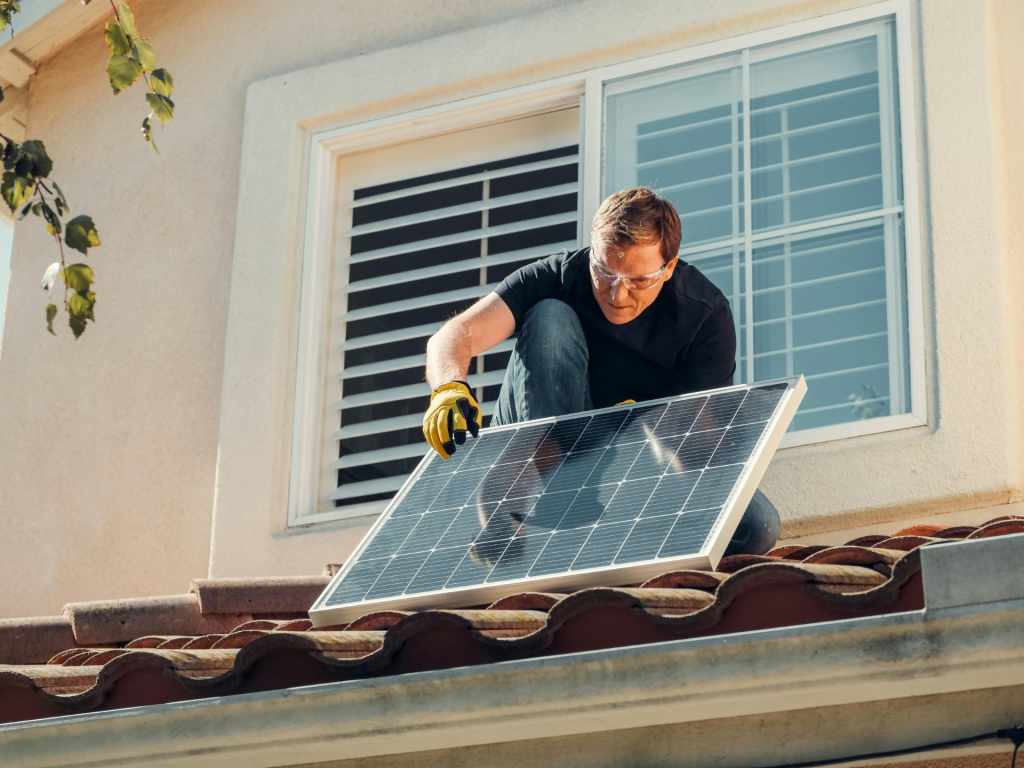
With the winter season knocking on our doors, it is an appropriate time to look at the solar panels you have installed at home. Are they ready for the change of season and weather patterns, and when last did you check the wiring?
“I must emphasize the importance of using properly registered solar installation companies to ensure safe, high-quality installations. Through our PV GreenCard programme, SAPVIA promotes industry standards and compliance with national regulations”, says Dr Rethabile Melamu, CEO of the solar PV industry association SAPVIA.
The PV GreenCard “as-built report” that documents the installation process and ensures adherence to best practices. It is issued by certified installers who have undergone specific solar installation training and assessment in conjunction with the Certificate of Compliance.
“Using certified installers not only protects the reputation of the solar PV industry but also safeguards end-users by ensuring installations meet both local and international standards. This initiative is part of our effort to support the growth of the solar PV market in South Africa while maintaining safety and quality,” says Melamu.
A solar system, at the heart of it, needs to be treated as a piece of electronic equipment that should be looked after and maintained, in the same way you would look after your car (for example). Most solar systems in South Africa are hybrid, with components such as solar panels, wiring, inverters, batteries and monitoring software.
Solar panels themselves tend to be low maintenance, however, they are exposed to the elements every day and should be checked to see if there is any dust that has gathered or anything else that impacts the panels and their ability to generate power for you.
“We encourage homeowners to closely monitor their energy output via their monitoring software and apps. An energy output decline of 15% necessitates cleaning, for optimum output a minimum of twice a year cleaning is recommended,” she says.
Depending on the inverter and battery pack that you installed, you could look at a lifespan of around 5-15 years although older systems might not have such a long lifespan as newer models could offer. Quality inverters and batteries come with longer warranties and tend to be more durable and reliable.
The usage patterns for both inverters and batteries also affect the life span, the frequency of use and power drawn tend to shorten the lifespan. To extend the lifespan of inverters and batteries, regular cleaning of dust and debris, regular inspection of connections, and monitoring of wear and tear are recommended.
“If your system was installed some time back, then it might be a very good idea to get an accredited service provider to visit as soon as possible. Ask them to check the wiring and whether they are still safe and secure and that they are also properly insulated, this is where the PV GreenCard As-built report comes in handy as it documents models and warranties of components,” says Melamu.
“With winter approaching, it is certainly a very good idea to stress-test your solar system now before the cold weather hits. Fixing small problems today could help you avoid big and expensive problems down the line.”