SA’s waste sector fuels youth skills development for work experience
4 min read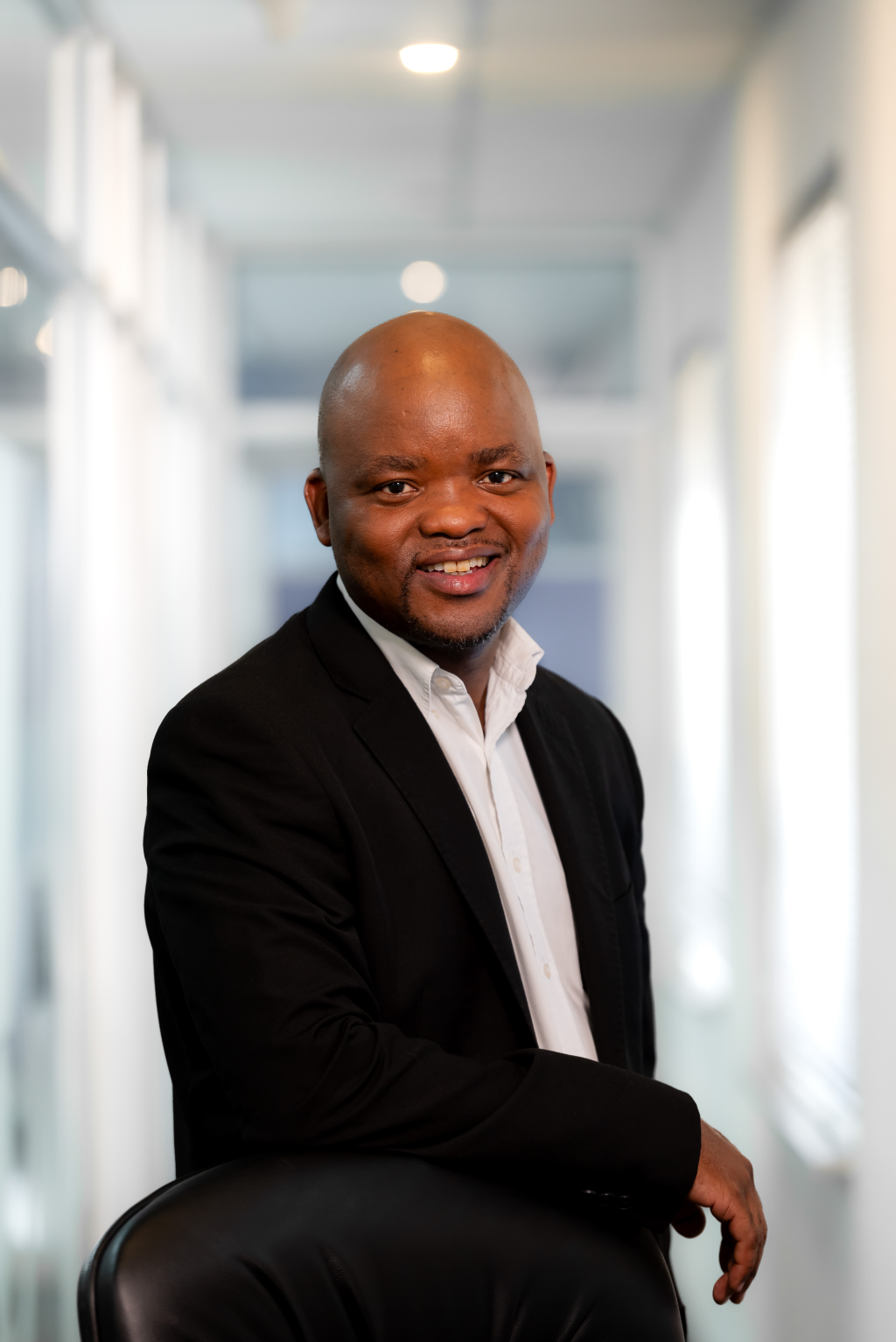
Did you know, that 71 million young people around the world are unemployed; and millions more are in precarious or informal work situations? In South Africa, 46,1% of youth face the same fate. There is no denying that youth across the globe are afflicted with a multitude of challenges, but the lack of employment opportunities across various countries remains a recurring theme that needs to be addressed.
With the need to increase active economic participants, it becomes prudent for government and the private sector to join hands in ensuring that youth have the right skills to hold the positions needed to fuel economic growth, resilience and enhances the employability of these youth.
“The trouble we face is that 58,7% of the 4.8 million unemployed youth have no previous work experience. These are high and concerning figures that put things into great perspective. And as a waste management company that is committed to youth development and inclusive growth, it is crucial that we play an active role in fostering economic change in a way that enables us to offer quality, first-work experiences – opening doors for young people and creating opportunities for long-term success. Joining the YES programme in 2021 was an obvious decision to enable this and complements our transformation and talent strategies by creating entry routes into priority roles, improving representation, and supporting retention over time,” says Rebaone Maakelo, HR director at Interwaste.”
The waste sector is identified by the Department of Forestry, Fisheries and the Environment (DFFE) as one of the critical sectors, with the potential to contribute substantially to the generation of jobs within the green economy. With an estimated 107 million tonnes of waste generated annually, and 90% of it ending up in landfills, beyond the growing need to address the environmental impact, having the right skilled personnel to tackle this challenge is equally important.
Investment in programmes such as YES is critical in addressing not only the lack of skills but also in reinforcing our contribution to Sustainable Development Goals; (Quality Education), 8 (Decent Work), and 12 (Responsible Consumption and Production) respectively.
“Our approach is to ensure that we fill positions across various departments, offering tangible skills to qualified students in multiple disciplines, from entry to junior management levels: sorters, drivers, operators, administrative and HR support, supervisors, IT intern, and Technical Services (R&D and Waste Acceptance),” continues Maakelo.
“In fact, on average, 70% of our YES participants are absorbed into permanent roles each year, with additional alumni moving into fixed term roles or further study, adds Maakelo.”
“Another great example of success in such programmes is where two of our learners were placed in our Research and Development department obtained their international accreditations in waste management and are now permanently employed as a Junior Technical Services Officer and Waste Acceptance Specialist titles respectively.”
If we are to future proof global and local economies that benefit the youth, we cannot view them as beneficiaries, but rather as active contributors who must be equipped with the necessary skills and education to allow them to actively become decision makers and contributors to their own futures.
“With key objectives outlined to recognise youth as key local development partners, Interwaste will continue our commitment to YES and, where feasible, expand targeted placements that align to operational needs and sustainable career paths. YES also compliments our broader learning ecosystem including Adult Education and Training (AET), learnerships in driving and generic management, and site-based skills programmes to build a resilient entry level pipeline, grow internal capability, and support local economic participation, concludes Maakelo.”