Singapore: Shining example of government overcoming endemic public-sector corruption
4 min read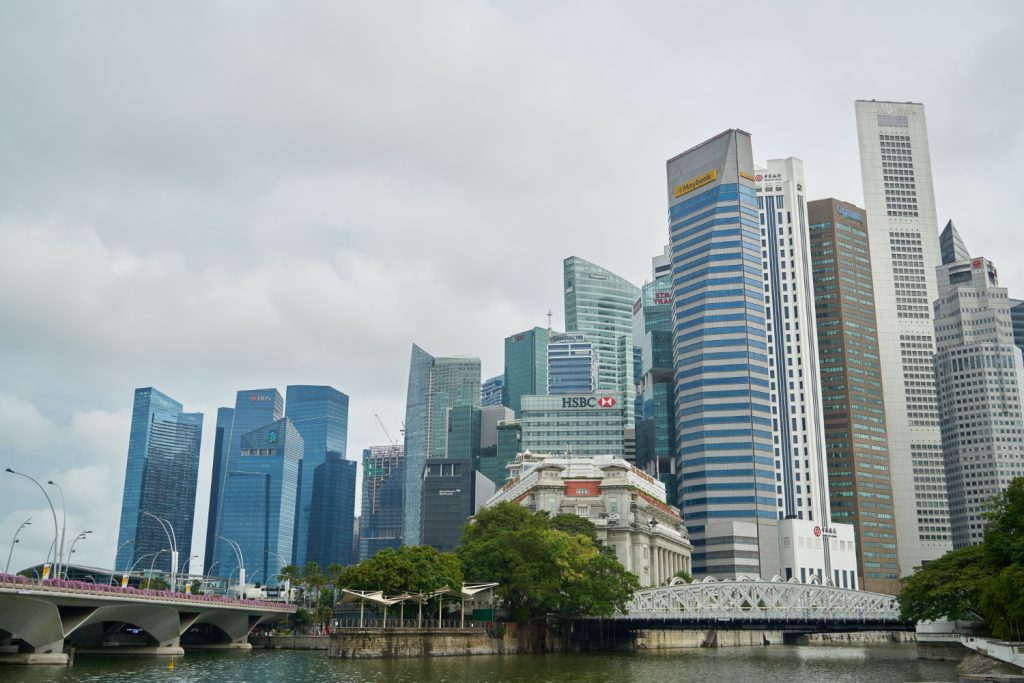
Singapore is one of the world’s least corrupt countries. The combination of a strong legal framework, strict enforcement, a meritocratic approach, high levels of transparency and accountability, and public education campaigns has made the nation stand out as a champion of anti-graft policy and practice.
According to Transparency International’s Corruption Perceptions Index, Singapore ranked fifth least corrupt country in 2023 with a score of 83. Only Denmark (first), Finland (second), New Zealand (third) and Norway (fourth) placed higher.
The scoring scale ranges from 0 (highly corrupt) to 100 (very clean) and measures perceived levels of public sector corruption.
Conversely, South Africa ranked joint 83rd with a score of 41, placing it in Transparency International’s “flawed democracies” category. It was the country’s lowest ever score to date.
It is hardly a secret that the republic has suffered years of corruption at the hands of public officials. It is estimated that state capture cost the country somewhere between R500 billion and over a trillion rand.
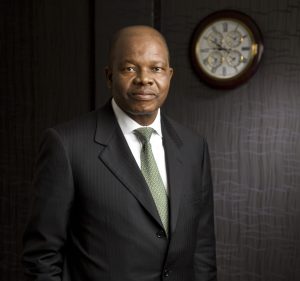
Muhammad Ali, managing director of South African ISO specialist World Wide Industrial & Systems Engineers, says if South Africa is to have any hope of making inroads against public sector graft, the example of Singapore’s first and longest serving prime minister Lee Kuan Yew must be followed.
“He made accountability a huge priority,” Ali says. “When a politician or member of parliament used public sector money for personal gain, such as funding an overseas trip, they were prosecuted as soon as they landed back in Singapore and sentenced to life imprisonment. There was an understanding among the people that responsibility and accountability were necessary to rebuild their country.”
He adds that it is well past due for these conversations to be held and taken seriously in South Africa.
Lee, who died in 2015, made standardisation a cornerstone of his rule, recognising that if Singapore was to become a global player, it needed to meet the expectations of international markets.
He was a fervent believer in the standards set out by the International Organization for Standardisation (ISO), notably ISO 9001:2015 for quality management, ISO 14001:2015 for environmental management, and ISO 37001:2016 for anti-bribery management systems.
“The ISO standards created structure, accountability, assurance and transparency, which allowed the Singaporean government to prioritise their mandate of service delivery and their oath to the nation,” Ali says.
By no means is Singapore the only country to benefit from more stringent policies.
Hong Kong’s Independent Commission Against Corruption, established in 1974, has seen corruption levels drop dramatically in the past five decades by severely punishing those found in breach of legislation.
Closer to home, Botswana established its Directorate on Corruption and Economic Crime in 1994, with the result that it is now the 39th least corrupt country on the planet.
Ali says it is vital for South Africa to learn from these countries and understand the value of ISO management systems and international standards.
“The first step is to secure buy-in from the presidency, ministries and members of parliament. Then parliament must establish policies in a specific municipality or ministry, highlighting current issues and using a risk- and process-based approach aligned to the standards to achieve value.
“Once people see the difference these standards make, it will become easier to roll out policies to other municipalities. The focus should always be to hold top management accountable, with levels of disciplinary action taken if corruption is identified,” he adds. “This process should be complemented by regular assurance audits emphasising improvements and preventing recurrences to ensure standards are maintained in the long term.”
Image credit: freestockcenter/Freepik