How companies are redefining the private sector’s role in education, sustainability, and community transformation
5 min read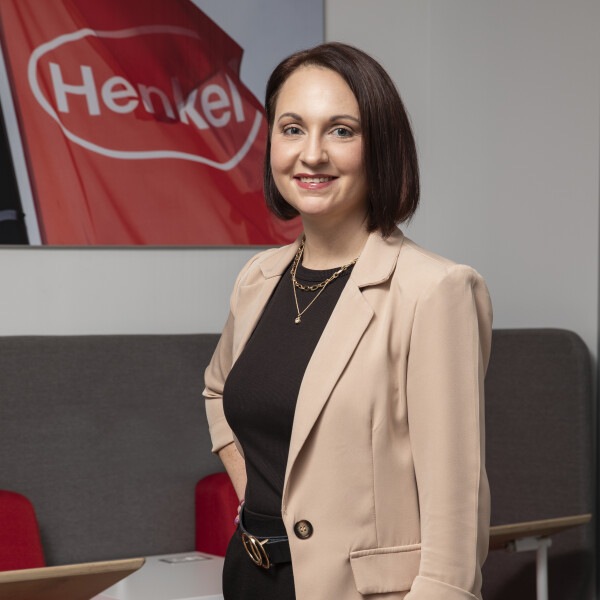
By Charlene Kotze, HR Manager, Henkel South Africa
In today’s rapidly evolving world, the private sector is being called to step into a new kind of leadership, one that goes beyond profit margins and product innovation and reaches into the heart of social transformation. Businesses thrive when the communities around them thrive. Having that belief is not just philosophical, it’s strategic.
Why business cannot exist in isolation
The idea that business operates separately from society is outdated. From infrastructure and education to sustainability and skills development, the private sector holds both the responsibility and the potential to be a force for good. When companies invest in these areas, they are not simply performing acts of goodwill; they are securing their future talent pipelines, building brand equity, and contributing to long-term market resilience.
These benefits can be realised when companies become deeply integrated into communities and embed social responsibility into the fabric of their business strategy. For example, by supporting early childhood development through the Tamaho Early Learning Centre, investing in tertiary education via a bursary programme with the University of Johannesburg, and continuing to push the boundaries of operational sustainability, most recently with the launch of our 100% sustainable manufacturing plant in Alrode – Henkel has been able to build a reputation for being a valuable corporate citizen.
Tamaho: A lesson in long-term impact
Supporting a facility such as Tamaho has taught me that meaningful community investment goes far beyond infrastructure. It’s about presence, trust, and continuity. Watching children grow in confidence, educators become empowered, and communities find a deeper sense of belonging is deeply satisfying for a business. These types of programmes are not one-time wins, they are generational shifts, made possible by consistent partnership and collaboration.
Sustainability as a business imperative
A common misconception in the corporate world is that sustainability is costly or slows innovation. Our journey at Henkel proves otherwise. Environmental responsibility can enhance efficiency, reduce operational risks, and future-proof a business. Sustainability, when woven into decision-making rather than treated as an afterthought, becomes a powerful growth engine.
Rethinking education investment: beyond the bursary
In South Africa, education is often seen as the key to unlocking economic mobility. But traditional bursary models — while important — are no longer enough. A holistic and early approach gets the best results, one that provides tailored support to individual students’ needs, combining financial aid with mentorship, career guidance, and real exposure to corporate environments. Hosting bursars provides them with wonderful learning opportunities, connecting them directly with senior leaders to gain insight into the world they are preparing to enter. This is the kind of experiential learning that bridges the gap between classroom and career.
Transformation begins with early access
One of my most important lessons has been that transformation and inclusion must begin long before recruitment. Through education initiatives, business can help young people from underserved communities believe in their own potential and see themselves in spaces they never imagined. This type of early intervention can support HR strategies — from how one recruits to how they develop and retain talent. It’s not about ticking boxes; it’s about building a workforce that truly reflects the diversity and potential of South Africa.
The power of partnerships
No company, no matter how large, can do this work alone. Collaborations with NGOs, universities, and government entities are crucial. These partners bring local knowledge, continuity, and credibility. Together, isolated efforts can be turned into scalable solutions. Our relationship with UJ, for example, is more than just a sponsorship. It’s a shared commitment to shaping South Africa’s future workforce.
Starting small, thinking big
To companies wondering how to make a difference without large budgets, my advice is this: start small but stay consistent. Host a career talk. Mentor a student. Sponsor one school. The impact of these actions, when rooted in authenticity and purpose, can be profound. In fact, some of the most lasting changes begin with a single relationship.
Don’t just prepare for the future, help build it. I think, when the private sector embraces its role as a change-maker, it can unlock possibilities far beyond the boardroom.