How green logistics is redefining African trade on Earth Day
6 min read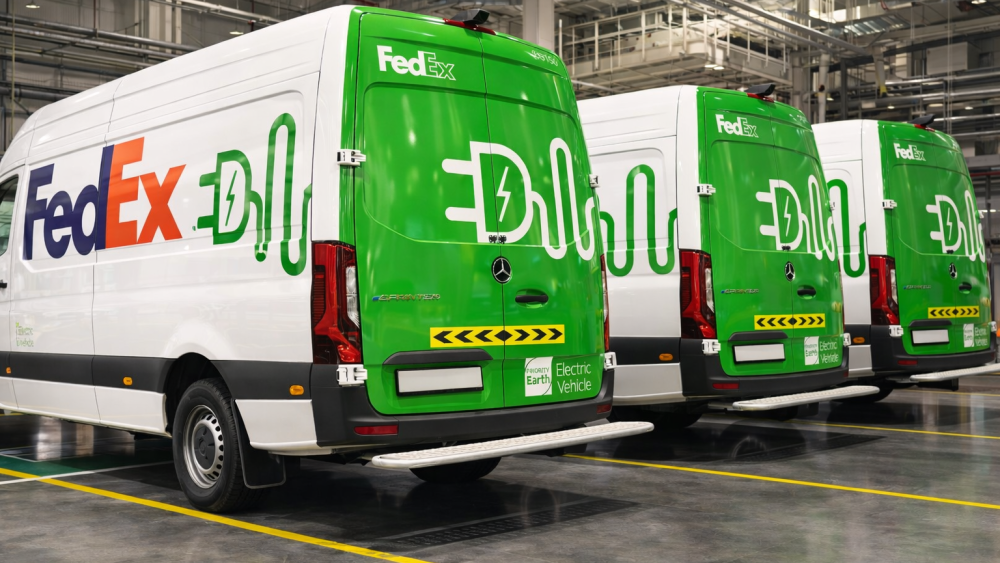
Africa’s trade ambitions are accelerating. But as the continent works to unlock the full potential of initiatives like the African Continental Free Trade Area, industry stakeholders need to extend their focus beyond growth.
Logistics providers, which have significant share of voice on what the future holds for intercontinental trade, need to weigh in on issues relating to sustainability.
This Earth Day will put the spotlight once again on how the logistics sector can continue to reduce carbon emissions and leverage sustainable operations as a critical enabler of long-term, inclusive industry growth.
Several logistics companies are paving the way toward a cleaner, greener sector by rethinking areas such as transport, packaging and delivery networks in ways that reduce emissions, improve efficiency and support sustainable commerce.
In South Africa, prime examples of these positive changes exist, particularly with globally renowned role-players like FedEx bringing lessons from abroad to local shores where the impact of climate change is often felt disproportionately.
As Nelson Teixeira, managing director of Operations for Sub-Saharan Africa at FedEx, explains: Local logistics leaders are faced with the dual challenge of scaling to meet the rising demand for cross-border trade while also minimising their carbon footprint.
“Striking this delicate balance is as much of an environmental imperative as it is a commercial one. Embedding sustainability into supply chains will become a defining factor of South Africa’s trade competitiveness and, by extension, the continent’s ability to establish itself more prominently on the global stage.”
Let’s talk transport
No discussion about a more sustainable industry would be complete without mentioning the role of South Africa’s transport sector.
According to a report by Business Unity South Africa and Boston Consulting Group, transport is the third largest contributing sector to carbon emissions in South Africa. With its historically heavy reliance on road freight, transport accounts for roughly 10%–14% of national carbon emissions.
In response to the urgent need to decarbonise, logistics providers have sharpened their focus on improving fleet efficiency. As Texeira explains, “the key lies in reducing the number of trips by optimising operations to make better use of existing fleets, ensuring only the vehicles truly needed are deployed on the road.”
He continues, “We are continuing with the adoption of electric vehicles into our fleet across our stations in Johannesburg, Durban and Cape Town, representing another step toward reducing our environmental impact. This will ultimately enhance the efficiency of our logistics network by lowering fuel costs, streamlining routes and boosting service reliability.”
This is part of FedEx’s commitment to achieving carbon neutrality by 2040.
Empowered by fleet management solutions that leverage artificial intelligence and data, logistics service providers are better equipped to maximise the load capacity of each truck while still adhering to all necessary safety and compliance requirements. Using GPS technology, companies can also optimise vehicle routes to reduce fuel consumption and avoid road hazards.
Eco-friendly packaging options
Another area in which South African logistics operators are making a meaningful contribution involves packaging.
Just a few decades ago, not much consideration was put into how goods for delivery were packaged: where packaging was being wasted, whether it was fit to be reused and whether packaging companies could take any practical action toward reducing landfill waste.
Logistics operations now widely favour more lightweight packaging materials and eco-friendly alternatives to single-use plastics.
“Reducing excess packaging and overall shipment size can reduce material, fuel use and vehicle emissions. And choosing reusable options allows customers to make returns in the same packaging for less waste,” says Teixeira. “As part of our contribution to this goal, we offer advice, tips and strategies to our network of businesses on how to pack their shipment in a way that protects the goods and reduces transportation cost.”
Cleaner, greener deliveries
Going forward, education will play a major role in how logistics operators are able to make a difference, not only within their own business operations but in the way they influence their shipping partners.
By building greater awareness, sharing best practices and providing customers with insightful resources, the sector can accelerate the shift toward more sustainable, accountable logistics ecosystems rather than just individual business.
An example of this includes user-friendly, accessible tools like a carbon footprint tracker. With FedEx Sustainability Insights, businesses can easily track and analyse their estimated CO2e emissions at both package and account level – enabling greater visibility, accountability and smarter, more sustainable shipping decisions.
“We want to empower our customers to deliver a more sustainable future. Ultimately, a more sustainable logistics sector is a win for the country, the economy and communities on the ground,” concludes Teixeira.